

By Georgie Holgate-Stuckey
Choosing the right LED screen for a stadium is a critical decision that impacts everything from fan experience and sponsor visibility to operational efficiency and long-term ROI. In 2025, as stadiums become smarter and more digitally integrated, screen selection is no longer just about size, it’s about performance, placement, and future-proofing.
This guide will walk you through the key criteria to consider when specifying stadium LED screens
Understand Your Use Case
Not all stadium screens serve the same purpose. A scoreboard requires a different spec than a perimeter advertising board or a large-format replay screen. Begin by defining what each screen needs to achieve:
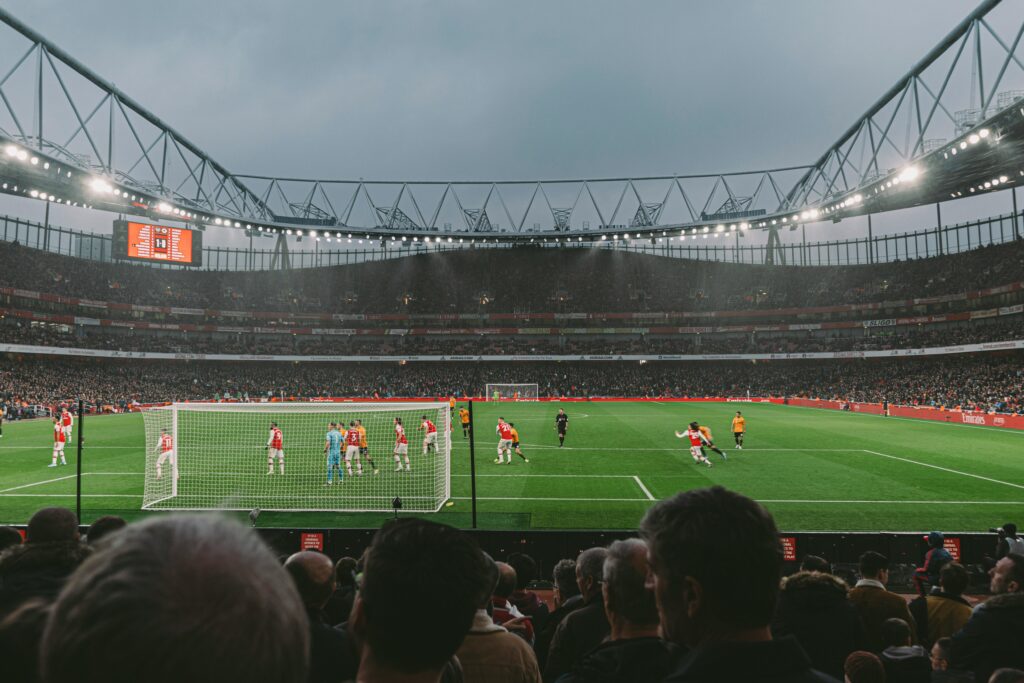
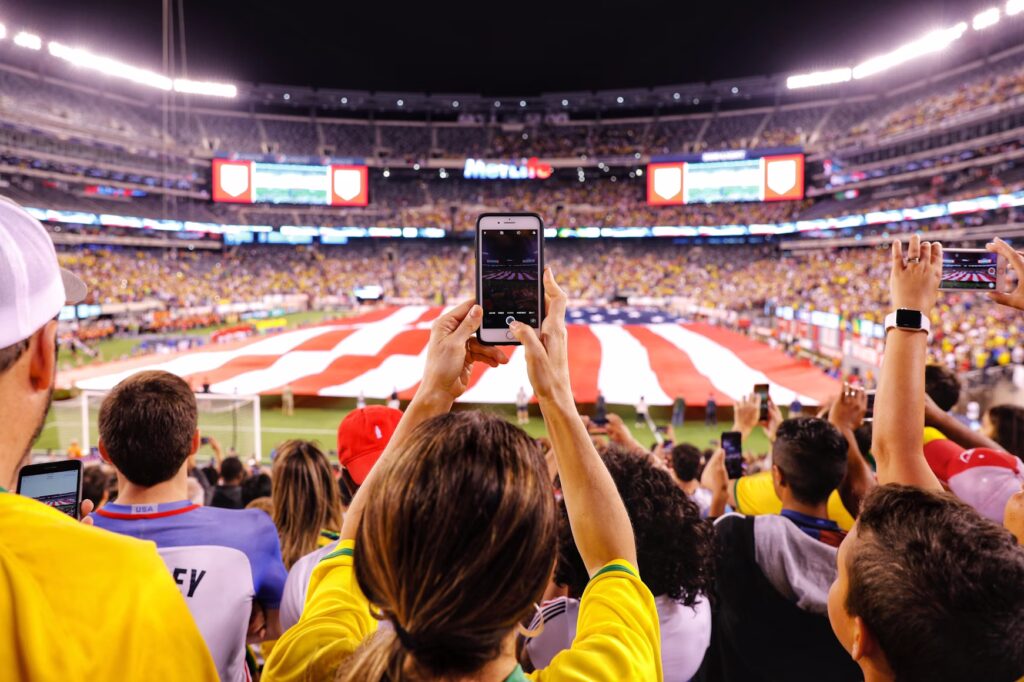
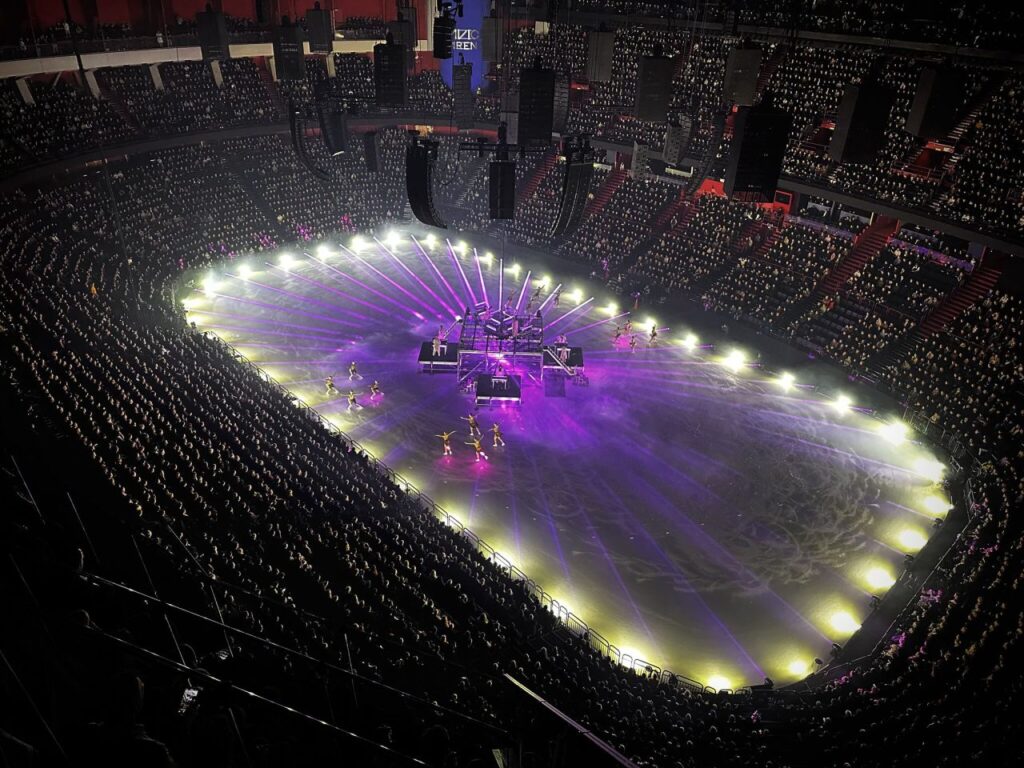
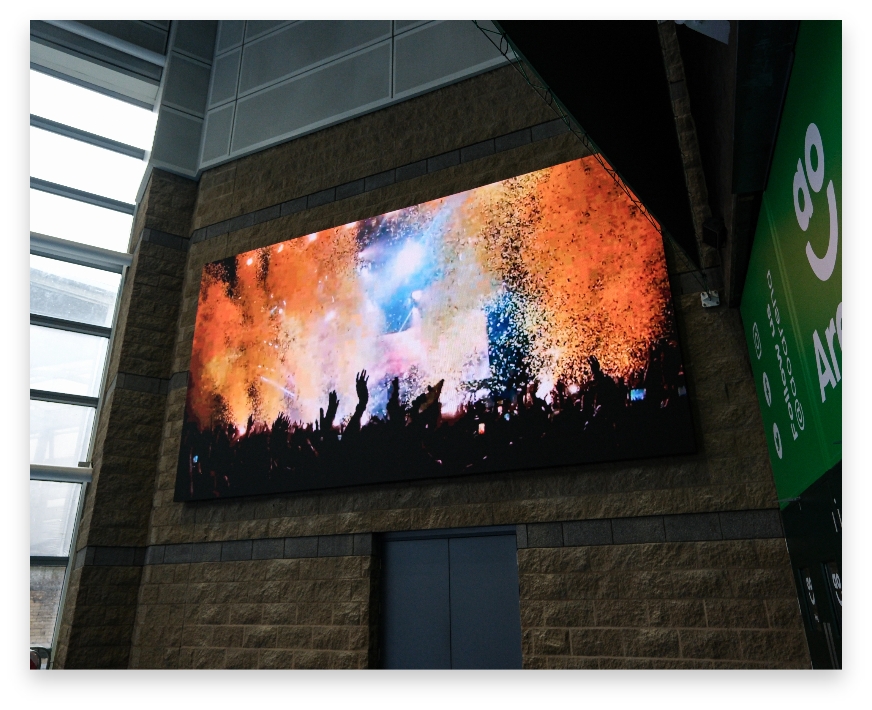
- Main Bowl Screens: For replays, scores, crowd engagement
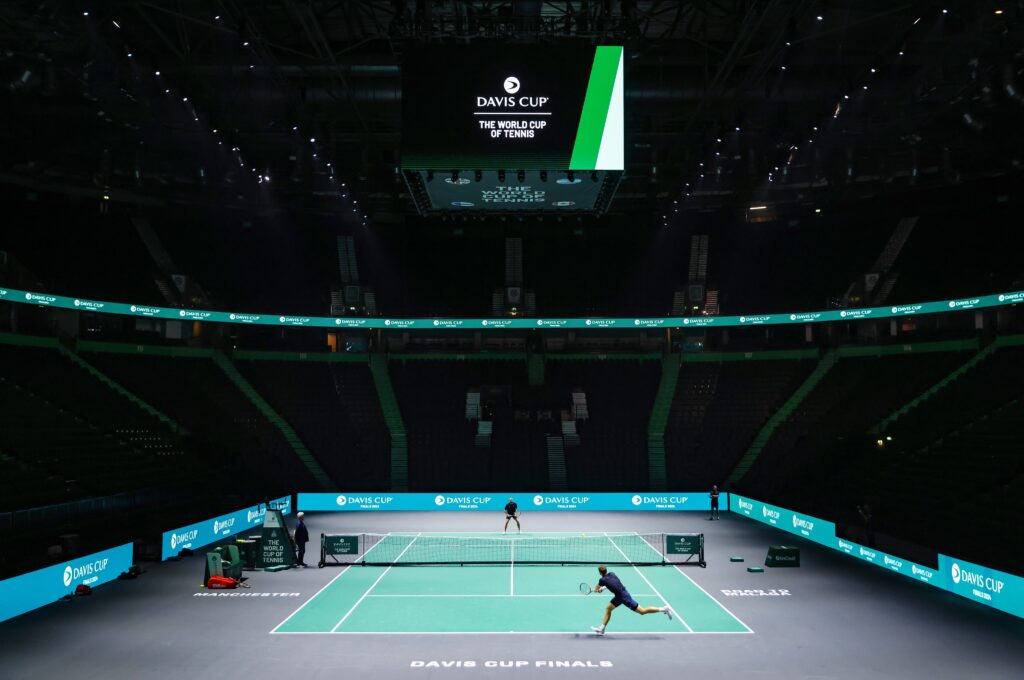
- Perimeter Boards: For dynamic sponsor messaging
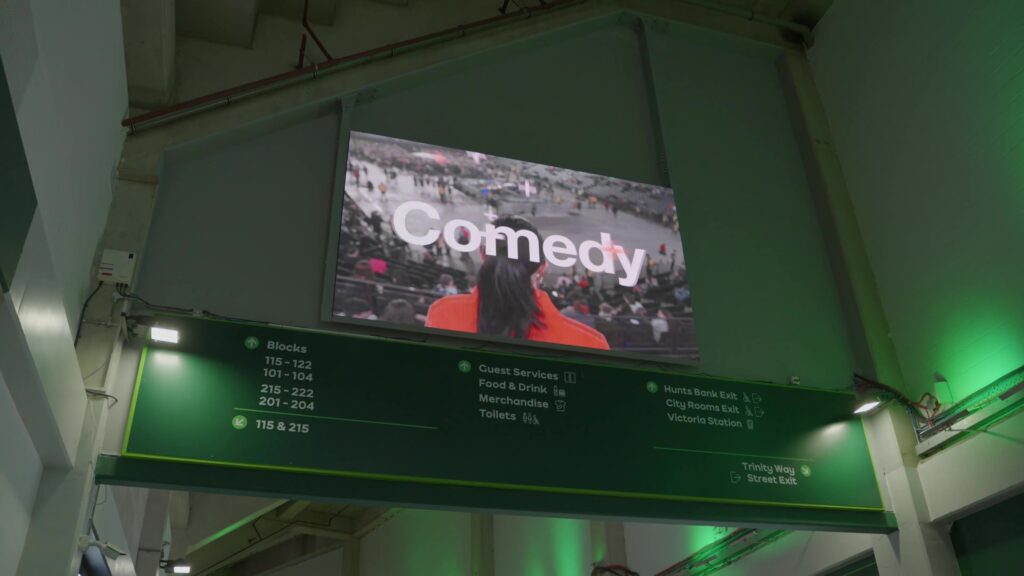
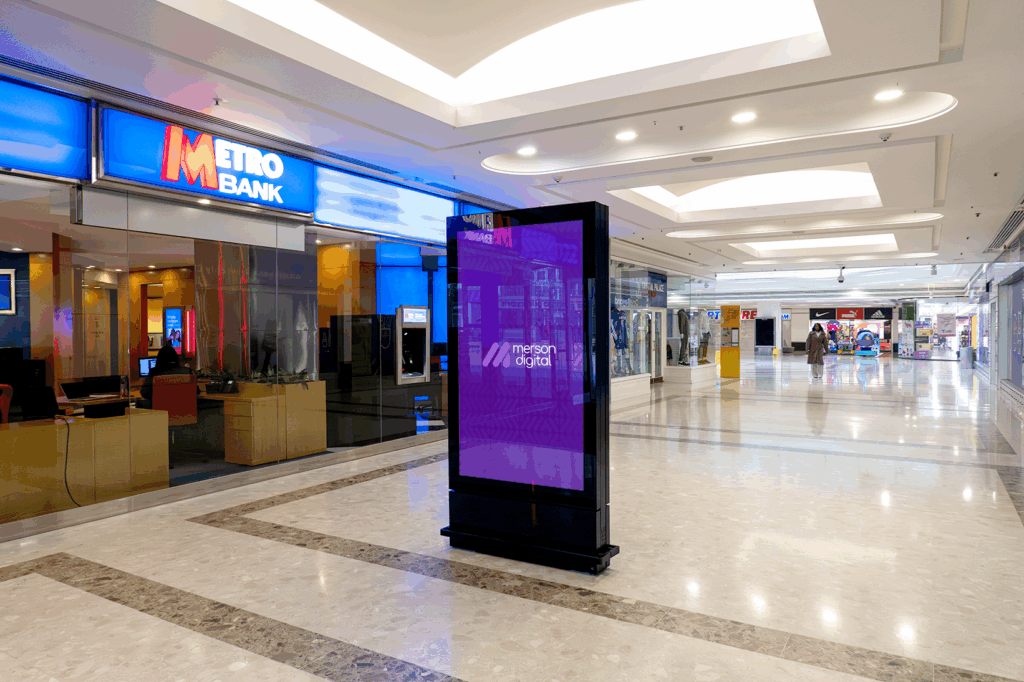
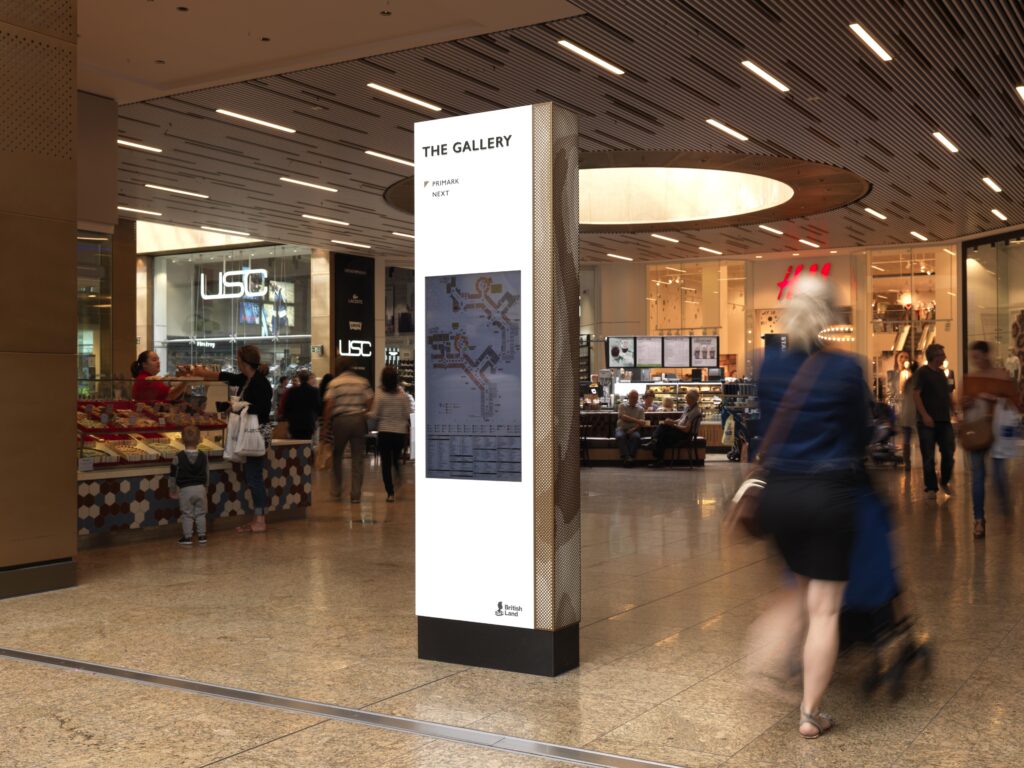
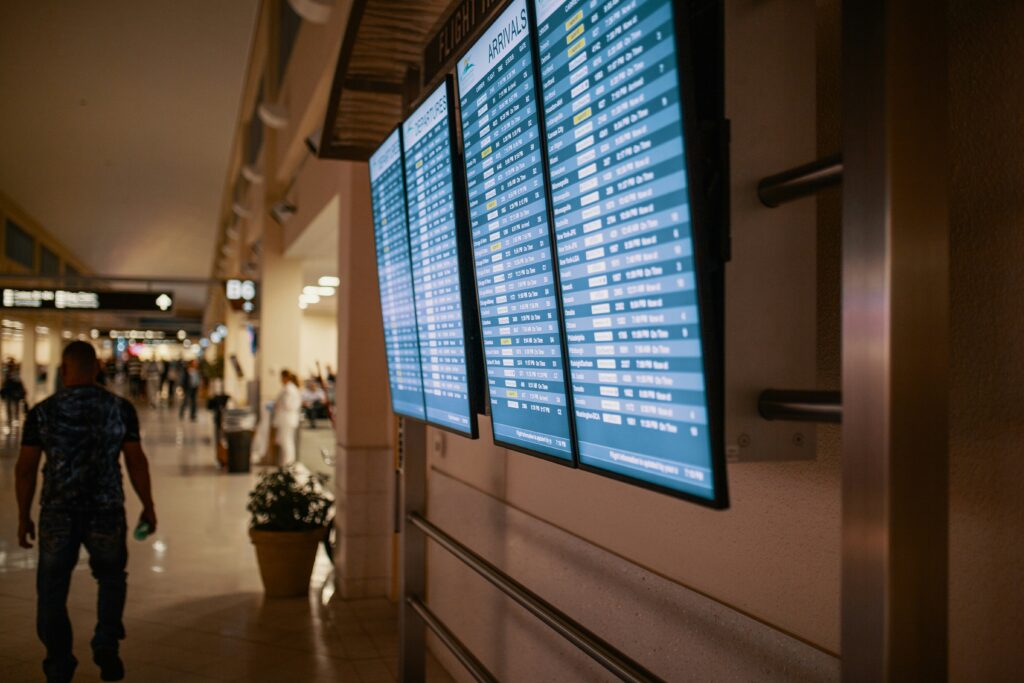
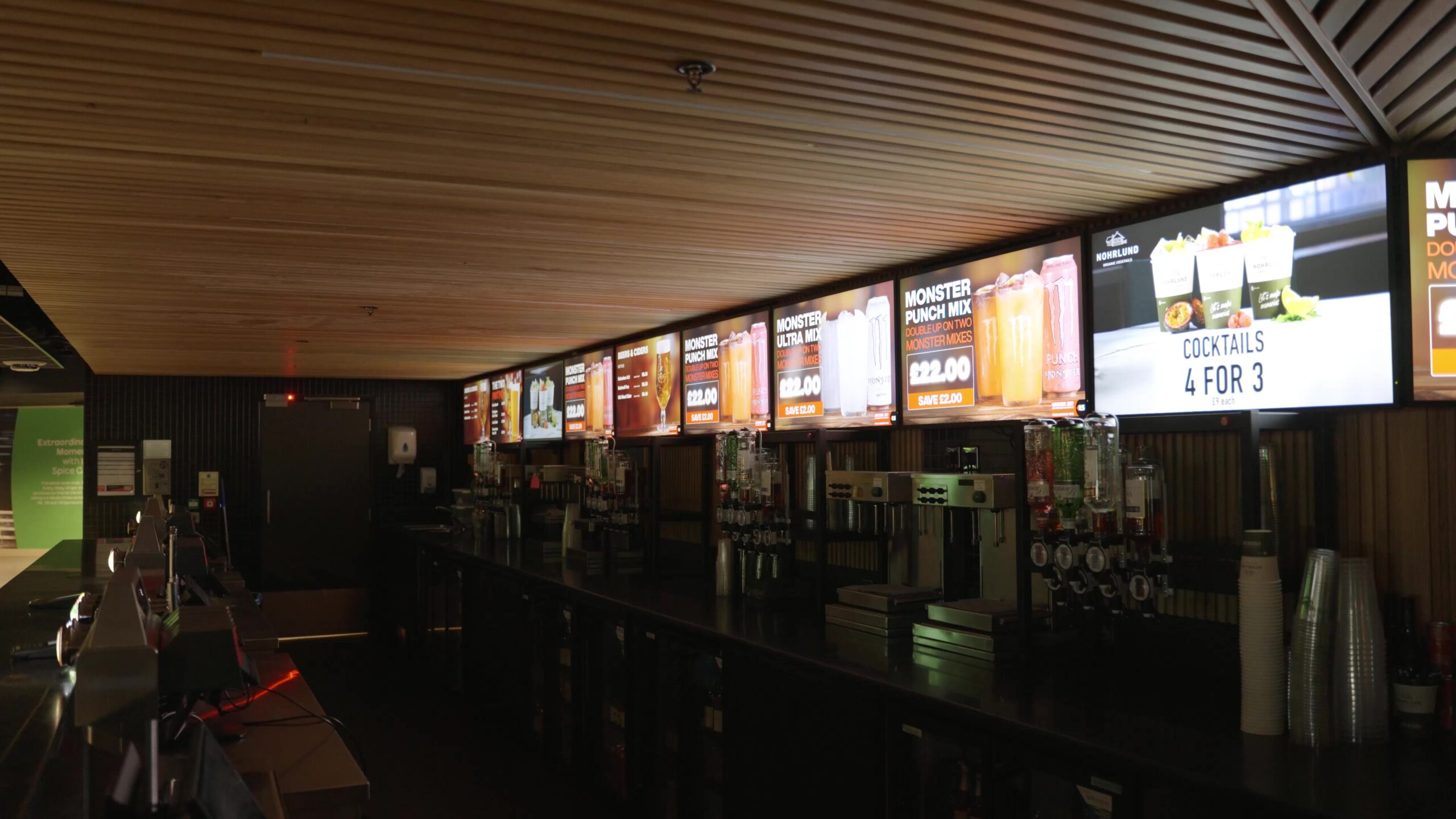
- Concourse Screens: For wayfinding, food/beverage offers
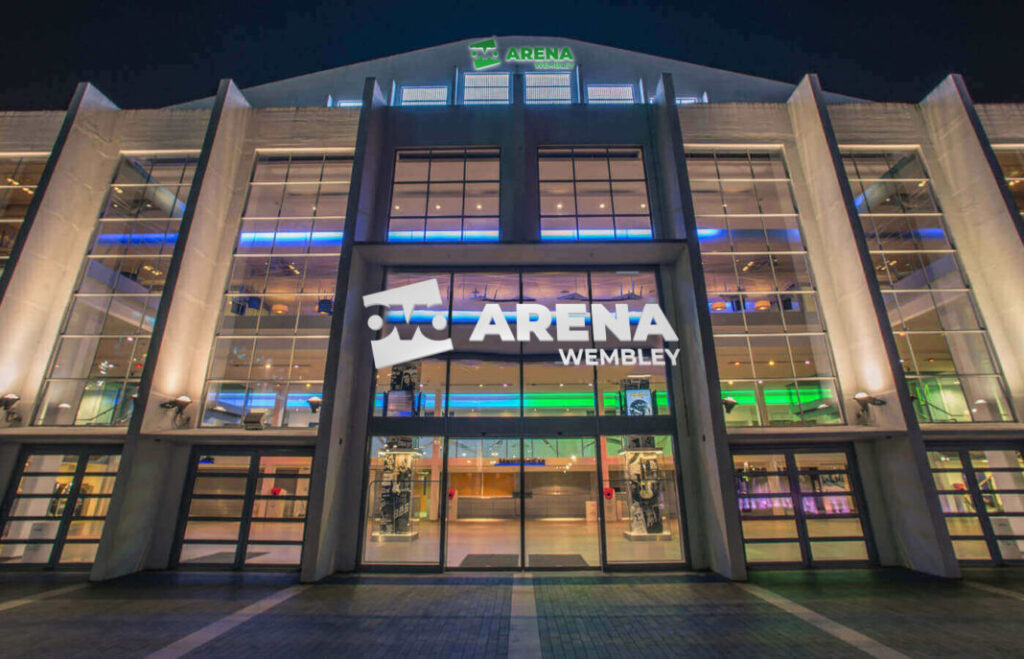
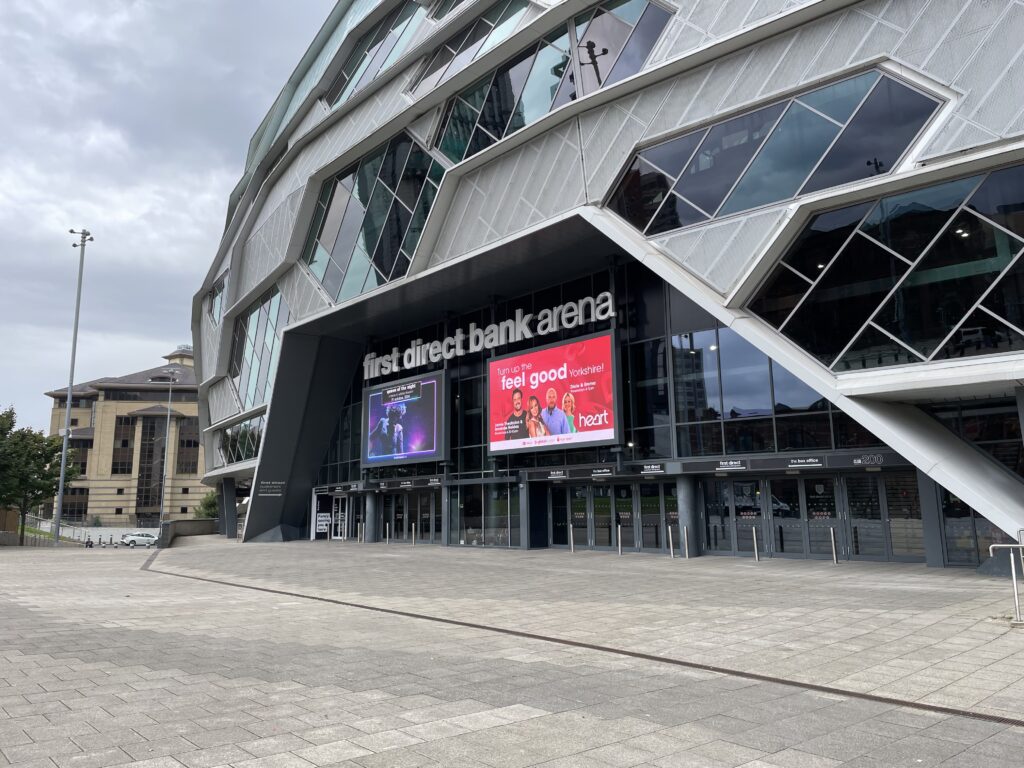
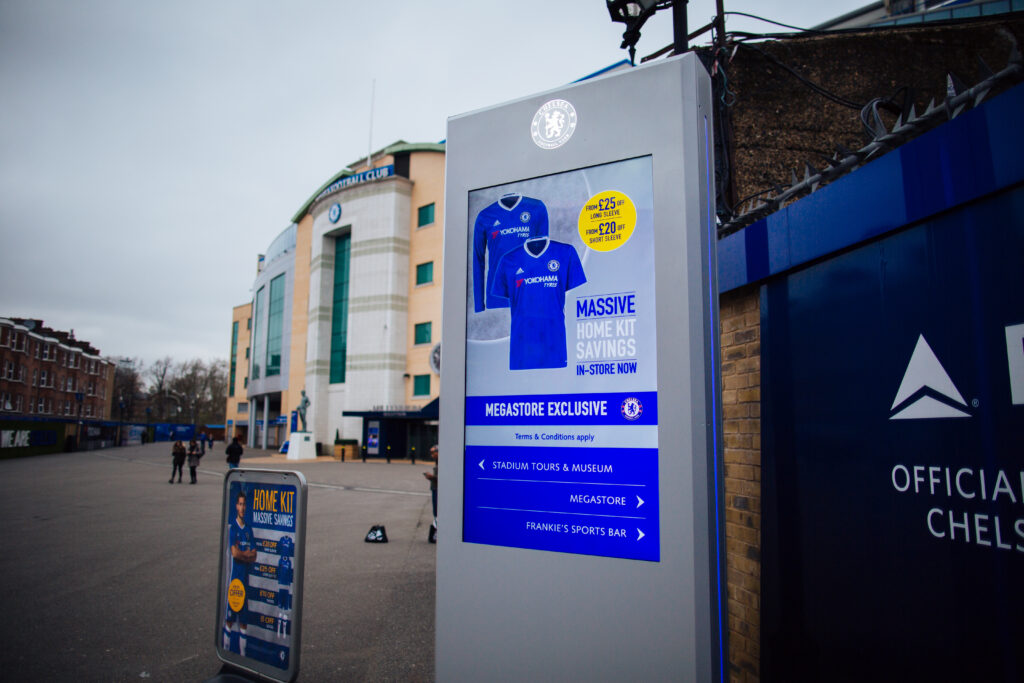
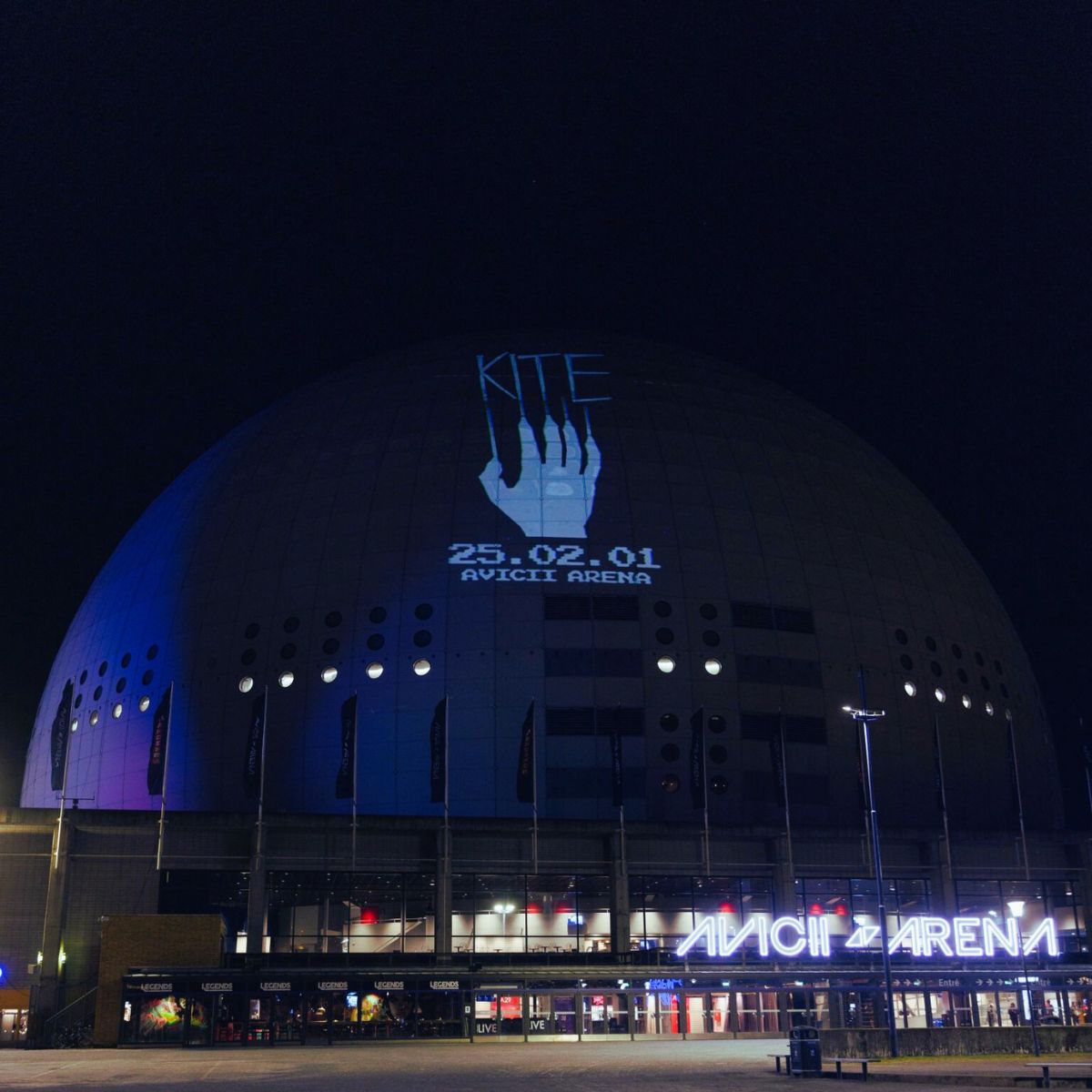
- Entrance Displays: For branding, ticket scanning, announcements
Each use case demands different pixel density, brightness levels, and content types.
Key Technical Specs to Know
- Pixel Pitch Pixel pitch refers to the distance between pixels. The lower the pitch, the higher the resolution. For bowl screens, 8–10mm is typical. For concourse or close-up installs, 3–6mm works better.
- Brightness (Nits) Outdoor screens must combat ambient light. For sun-exposed installations, 5,000–10,000+ nits ensure visibility. Indoor concourses can be managed with 800–2,000 nits.
- Viewing Angles Ensure your screens are visible from all seating positions. Wider angles are vital in oval or multi-tier stadiums.
- Ingress Protection (IP) Rating Outdoor units should have at least an IP65 rating to protect against rain, dust, and temperature fluctuations.
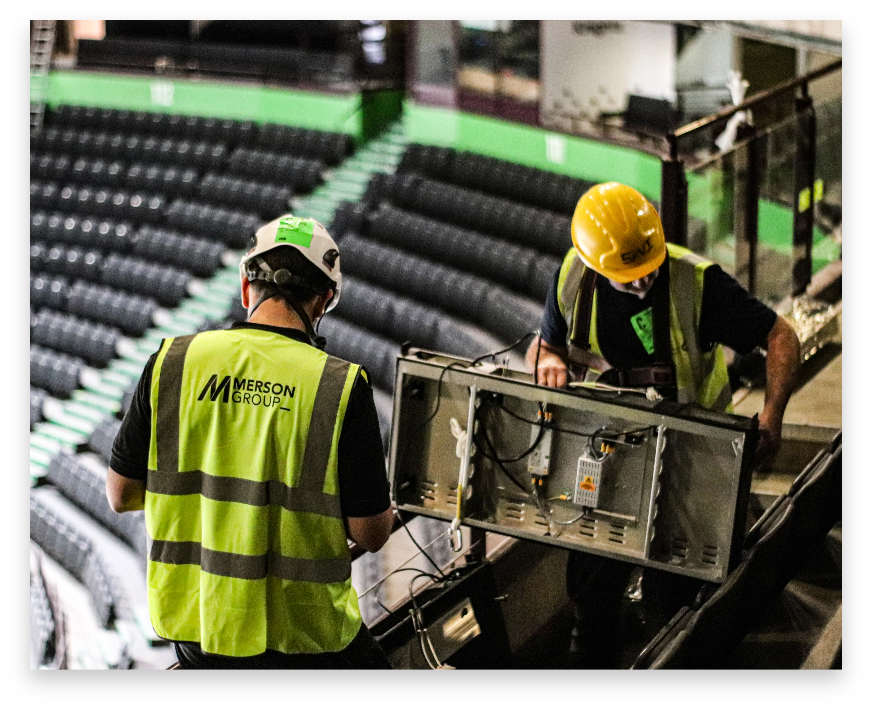
- Cabinet Design and Weight Lighter panels ease installation and maintenance. Consider whether screens will be mounted on facades, suspended, or integrated into existing architecture.
Don’t Forget Control Infrastructure
Screens are only as good as the systems driving them. Make sure your screen choice is compatible with your:
- Content management system (CMS)
- Live video and data feeds
- Power capacity and data cabling
- Emergency override system
When screens and systems are mismatched, even premium displays underperform.
Choose a Trusted Supplier
There are hundreds of LED manufacturers. Look for suppliers that offer:
- Proven stadium experience
- Local engineering support
- Transparent warranties and lifecycle planning
- References from high-traffic environments
Cheap units often result in higher long-term costs, from energy inefficiency to poor resilience.
Future-Proofing Your Investment
Think beyond launch day. Will your screens still meet content and performance demands in 3–5 years? Modular, scalable systems give venues the flexibility to adapt to:
- 4K/8K content
- AI-based content scheduling
- Advanced fan engagement (e.g., AR overlays)
If your screen can’t support innovation, it could be obsolete before the season ends.
So what does this all mean…
Stadium LED screens are a long-term investment. By focusing on spec, infrastructure compatibility, and intended use, you set the stage for reliable performance and maximum impact.