


By Georgie Holgate-Stuckey
In the world of large-scale LED, specs tell you very little. A 3.9mm pitch might look great on paper, but will it survive high wind loads, extreme heat, or constant footfall? In 2026, stadiums, DOOH networks, and public realm projects are moving past spec sheets and demanding engineered outcomes.
That shift couldn’t come sooner.
Across Europe, we’ve seen multimillion-pound projects plagued by short-lived installs, rushed replacements, and ROI-killing maintenance schedules. The culprit isn’t just low-quality product, it’s a fundamental misalignment between design intent and real-world conditions.
The Spec Sheet Illusion
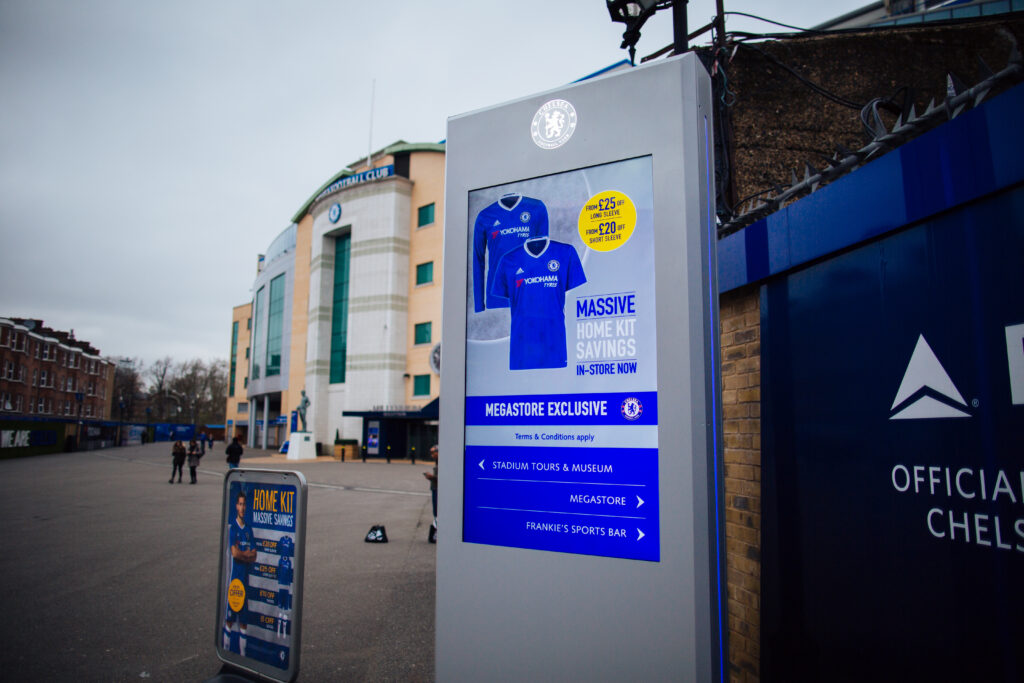
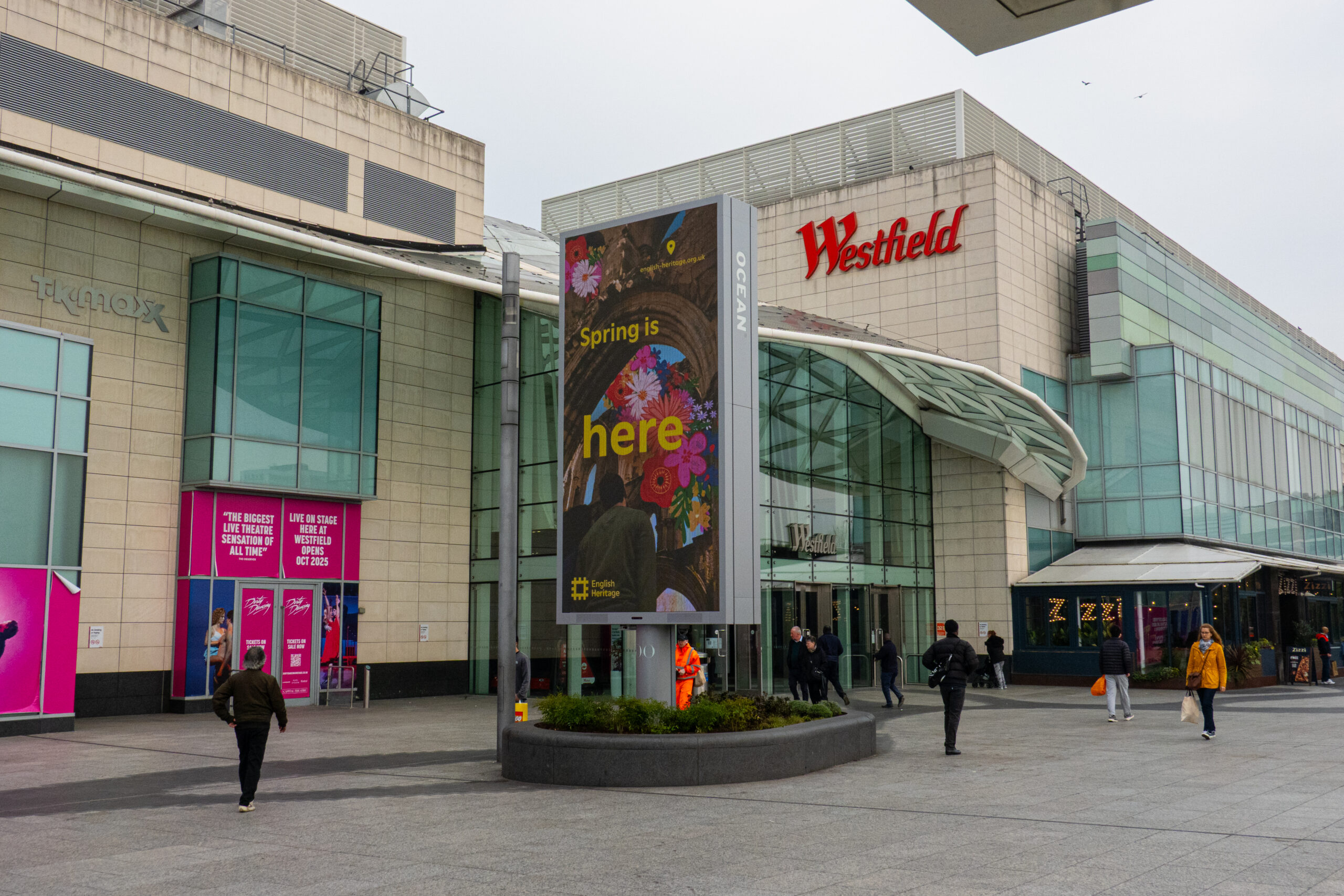
A spec sheet can tell you brightness. It can show you contrast ratios and energy draw. But it can’t tell you if a fascia screen will withstand 90mph gusts. It won’t reveal whether a digital totem can cope with 100,000 fans moving past it every week. And it won’t account for mounting irregularities, access routes, or weight limitations.
This disconnect between paper and performance is where projects unravel.
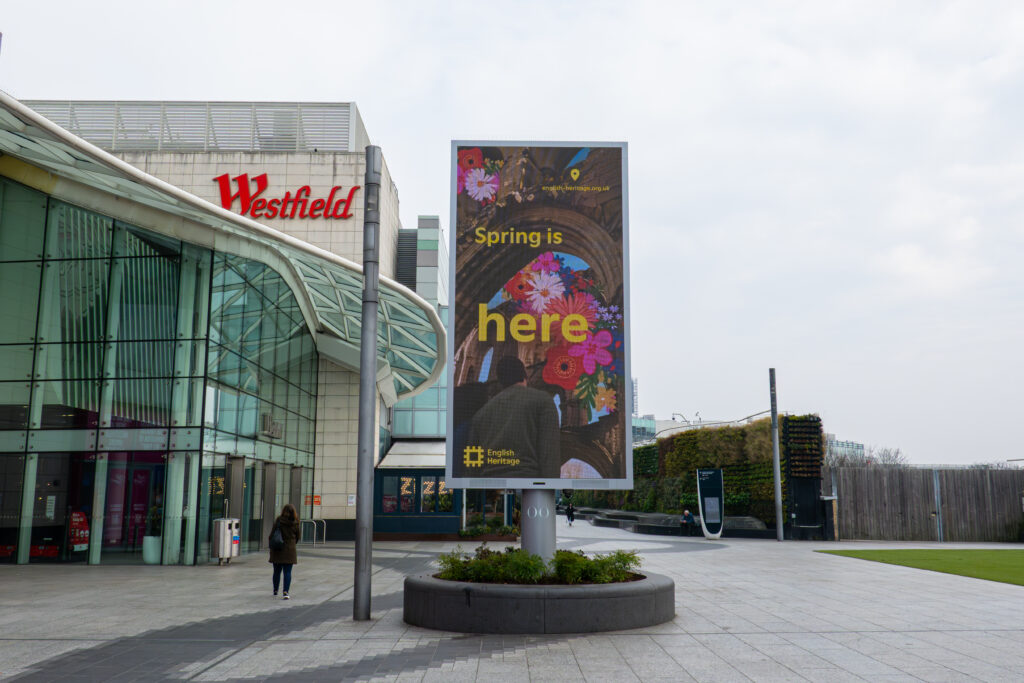
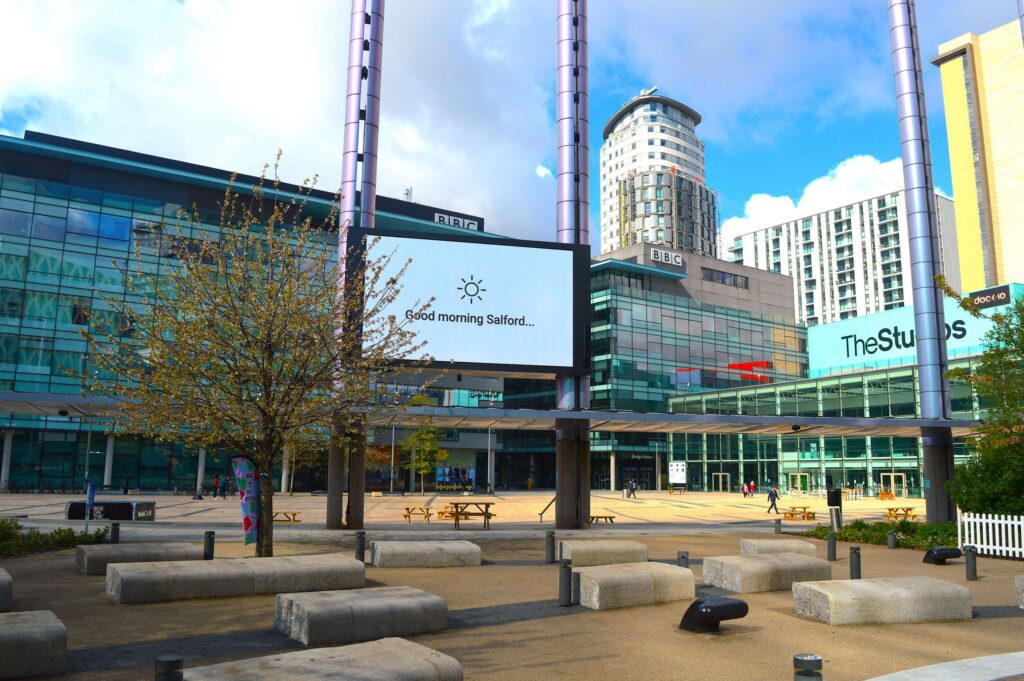
In one UK city centre project, an LED screen touted for its colour fidelity and pixel precision was removed within a year after overheating and weathering caused visible distortion. The product did what the spec said, but the spec didn’t say enough.
As Steve Jobs put it: “Design is not just what it looks like and feels like. Design is how it works.” That applies to infrastructure just as much as to iPhones.
What Stadiums and Networks Actually Need
These environments demand more than high spec, they need high performance.
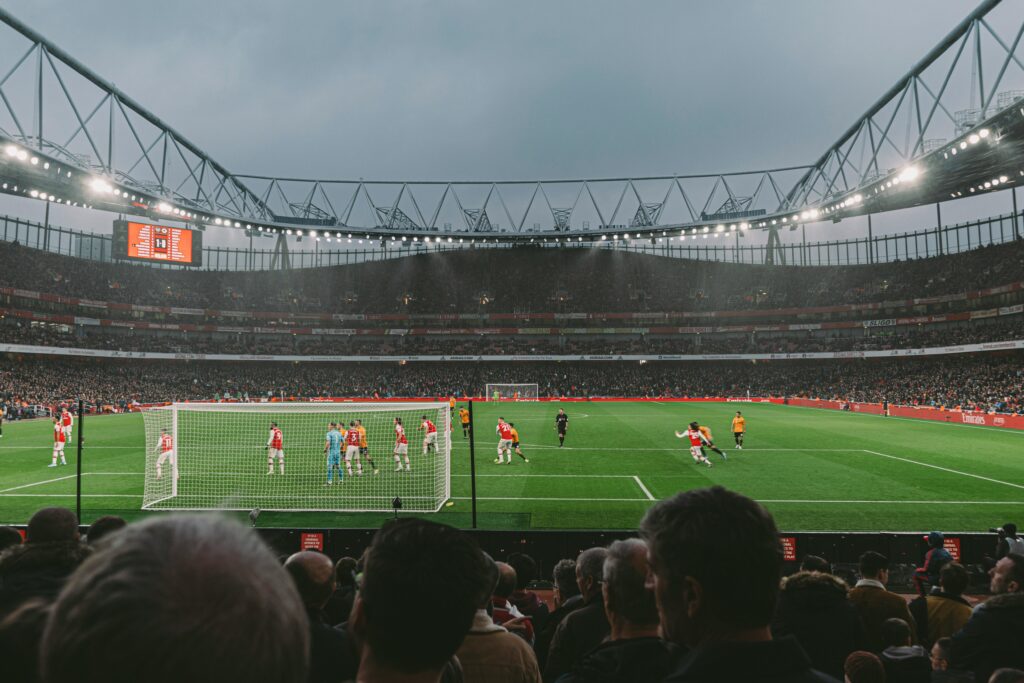
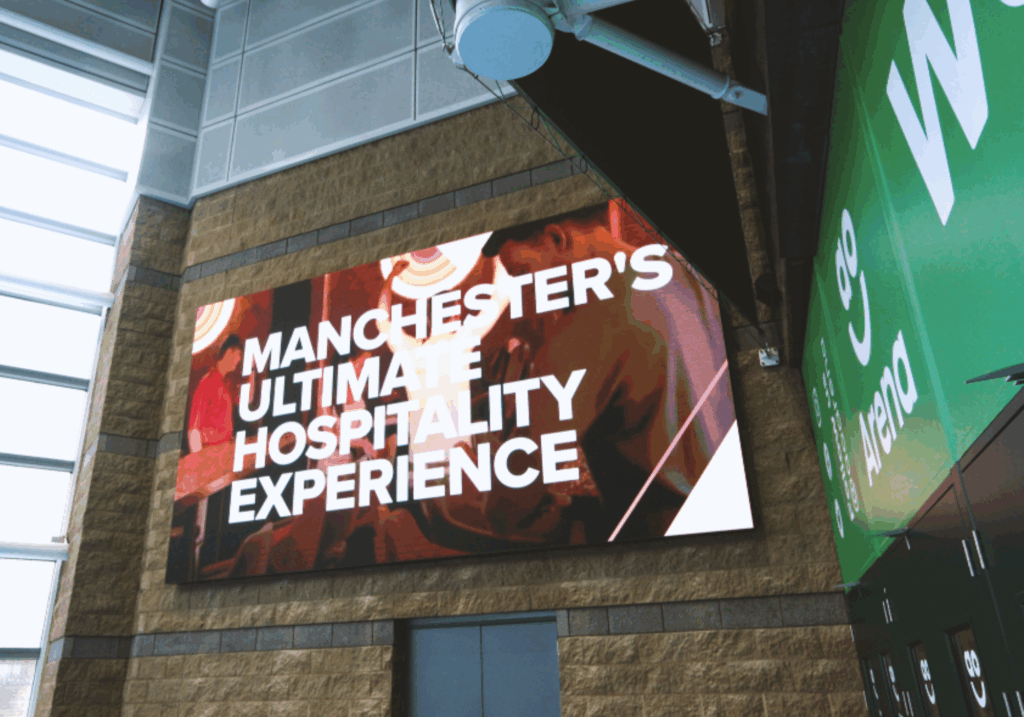
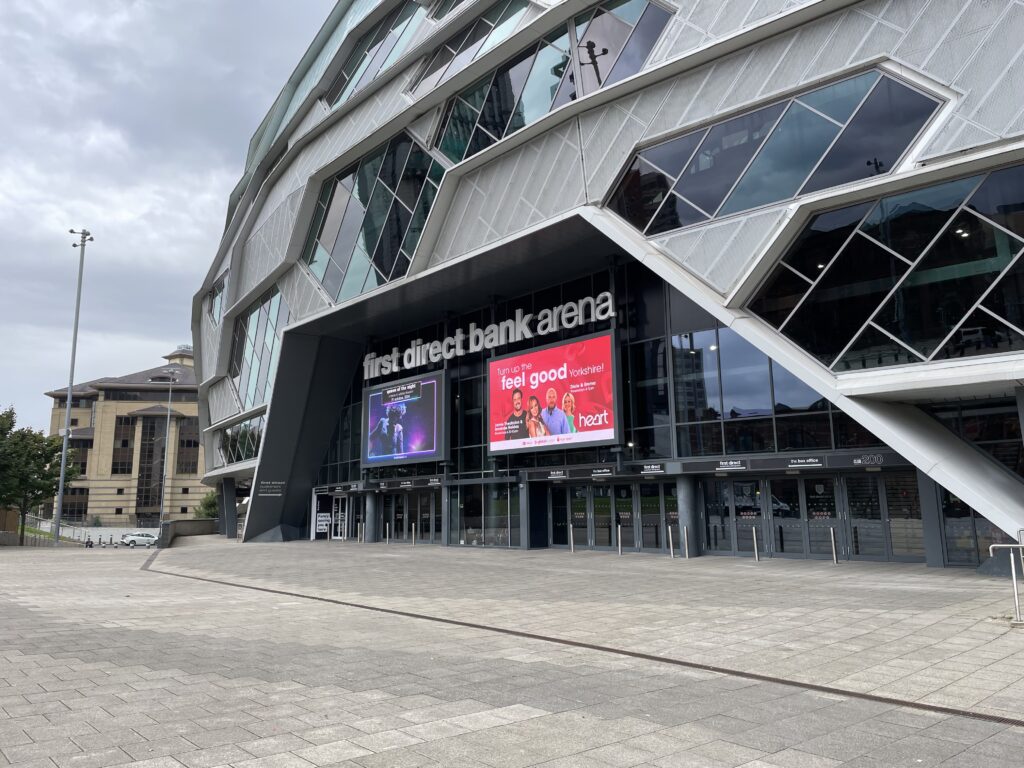
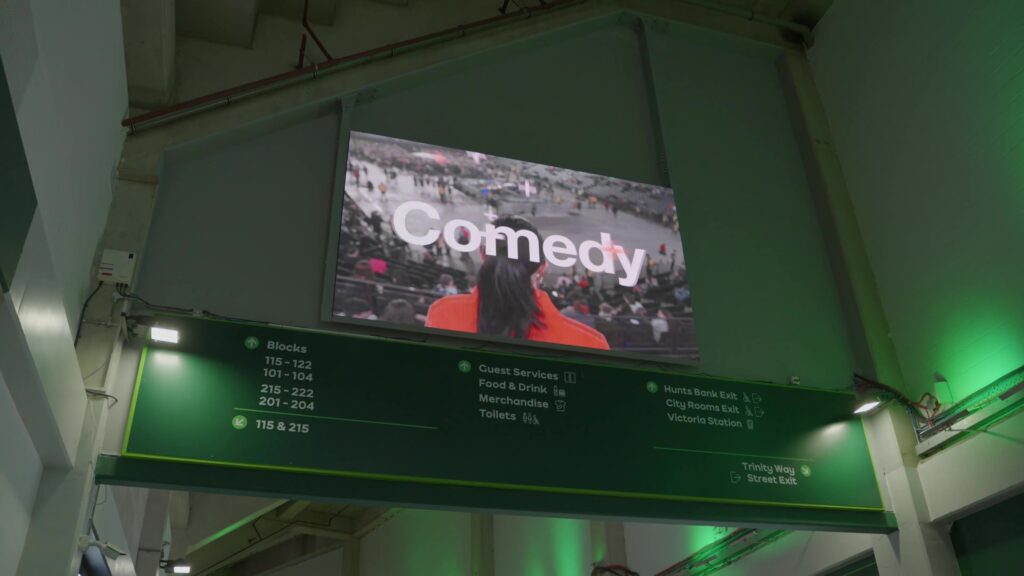
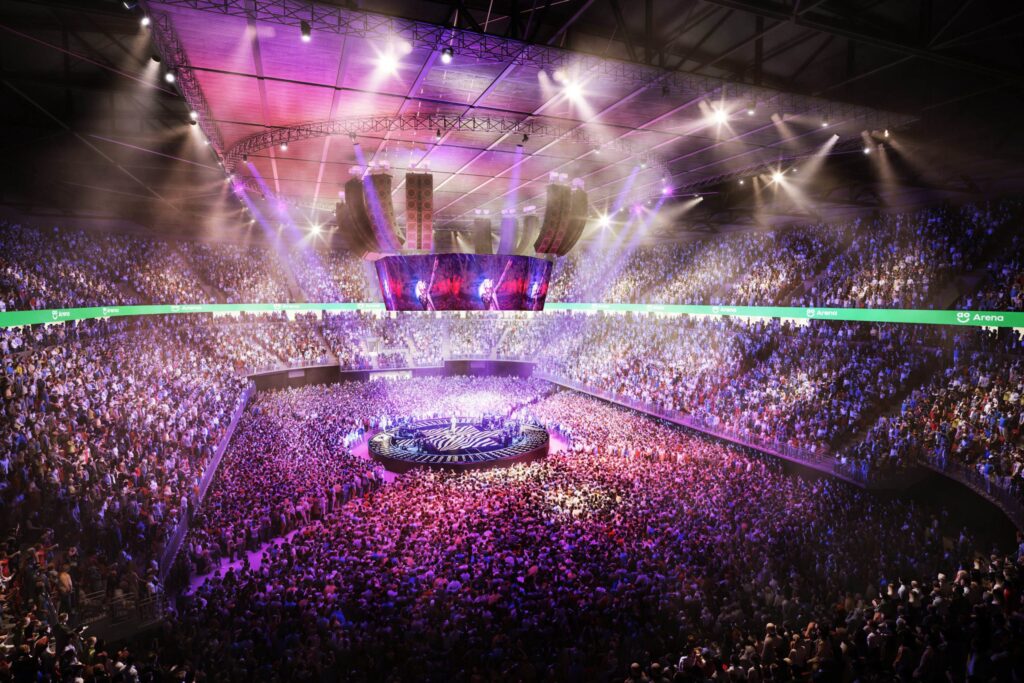
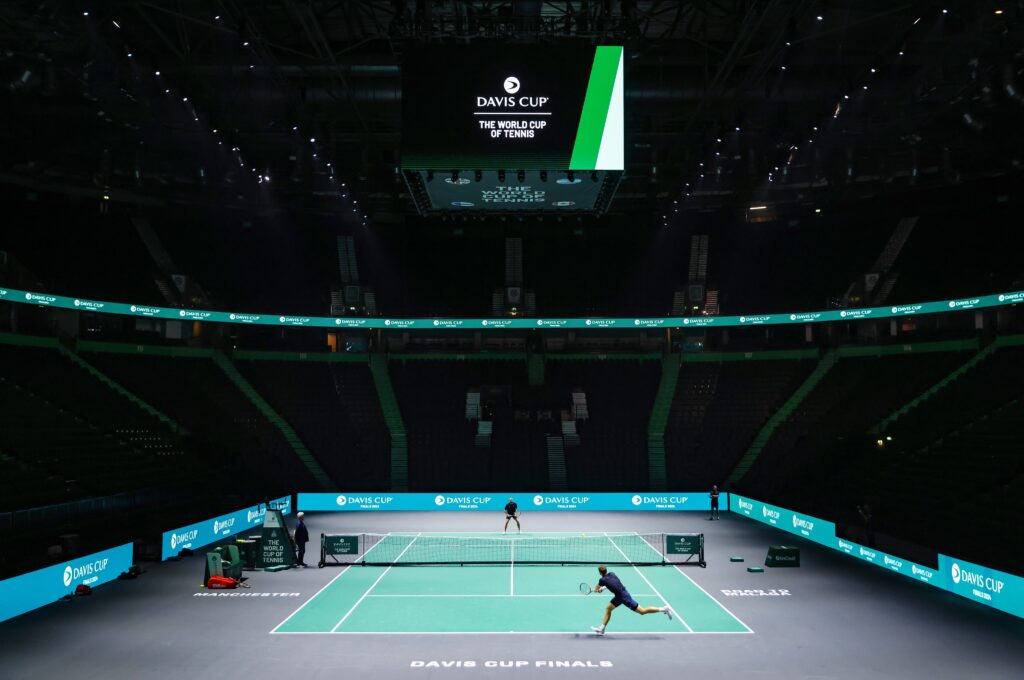
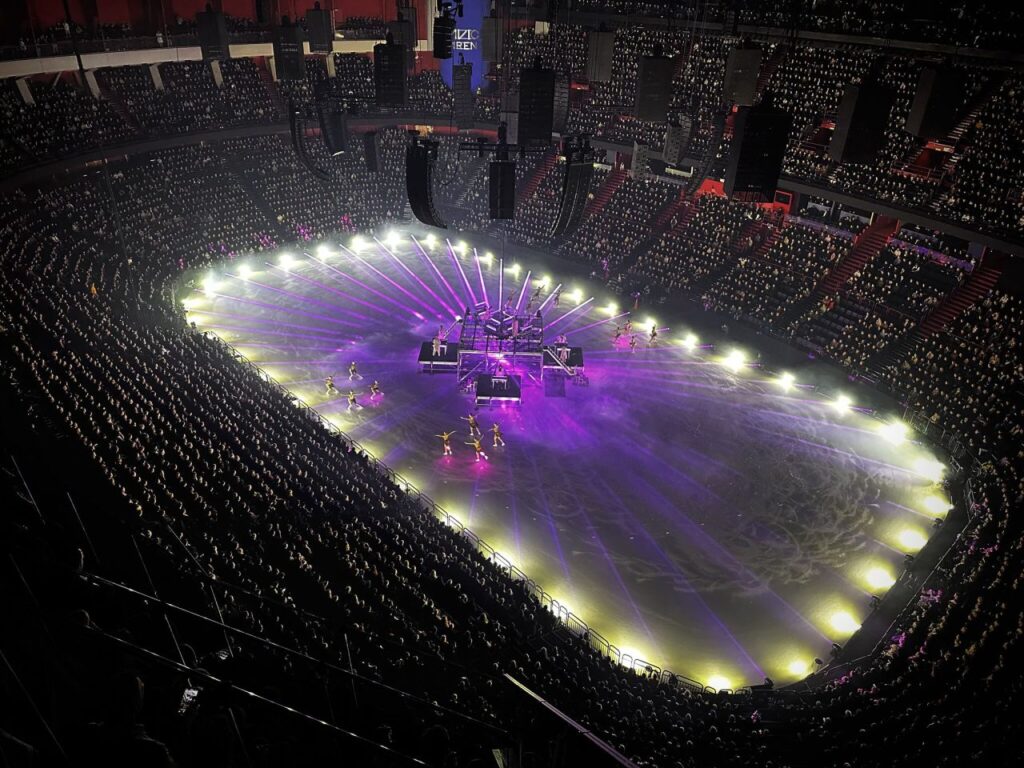
Stadium displays must integrate seamlessly with IPTV systems, switch dynamically for matchday and advertising content, and survive near-constant usage. DOOH screens must meet safety regulations, run fail-safe, and be easily accessible for maintenance in live environments.
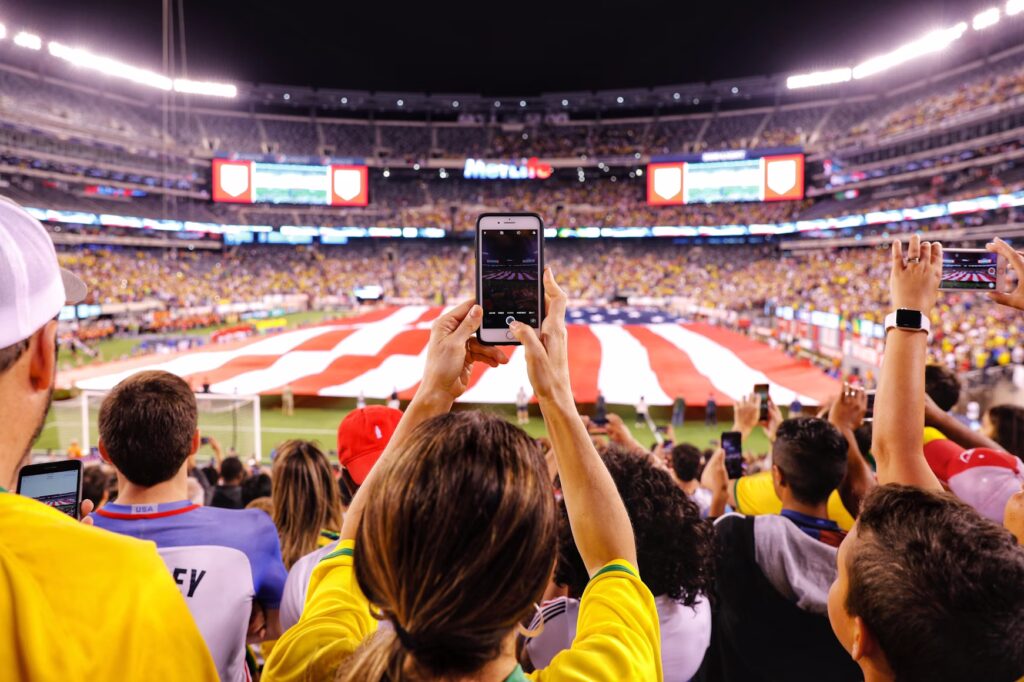
And most importantly, they need to look flawless under pressure. There’s no forgiveness in front of 40,000 fans or a city full of commuters.
That means engineering the full solution, not just sourcing the panel.
From Environment to Execution
Start with the environment: wind load, temperature, viewing angle, surrounding architecture, crowd density. Then engineer every component to match: structure, cabinet, mounting, access, cooling, servicing. It’s here that cost savings become false economies.
Procurement teams that optimise for price per square metre often miss the hidden costs:
Structural retrofits when cabinets don’t fit
Site access delays due to impractical install methods
Rapid brightness degradation due to thermal mismanagement
And then there’s the brand impact when a screen goes black during a live event.

Why 2026 Demands More Than Specs
This year, three trends are reshaping LED decisions:
Commercial pressure:
Whether it’s ad sales, sponsorship value or fan experience, every screen is now expected to deliver ROI.
Environmental scrutiny:
Lifespan, energy draw, and end-of-life recyclability are now board-level concerns.
Integration complexity:
Stadiums, cities and agencies want unified systems, not fragmented tech.
In short, the stakes are higher, the expectations are greater, and the margin for error is gone.
The Engineered LED Approach
The solution? Design for outcomes, not specs. Choose partners who ask the difficult questions, who can model wind loads and simulate brightness impact over time, who integrate with your CMS and understand the install conditions before quoting.
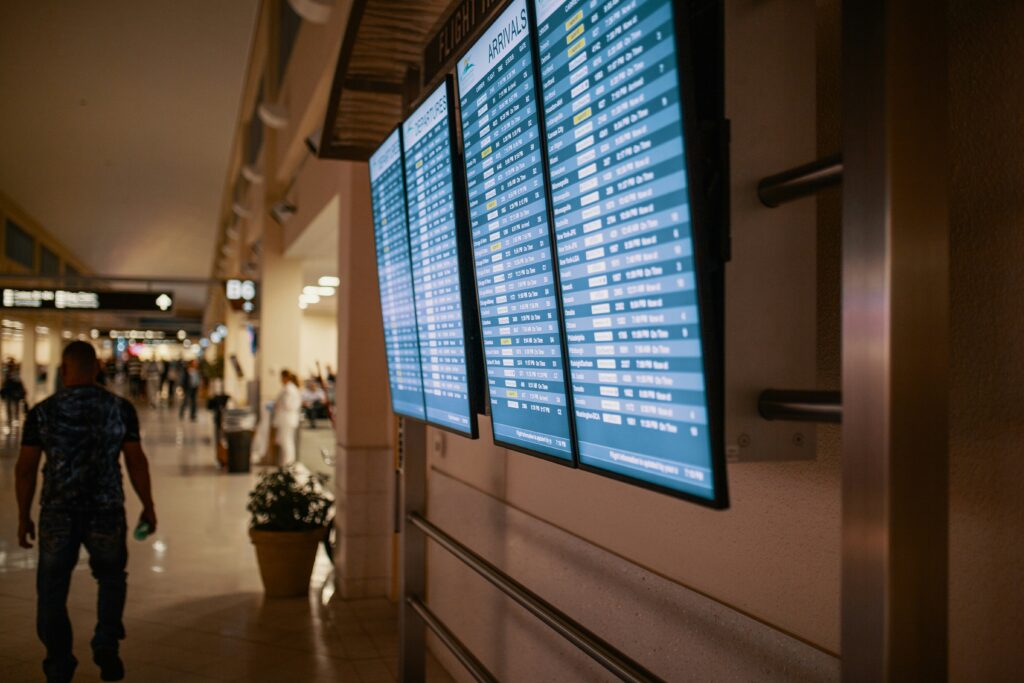
That’s how leading stadiums, airports, and media owners are now procuring LED.
What Merson Digital Brings
Merson Digital specialises in engineered LED for the most demanding environments. Our approach starts with structural and environmental context, and ends with high-impact digital displays that just work, and keep working.
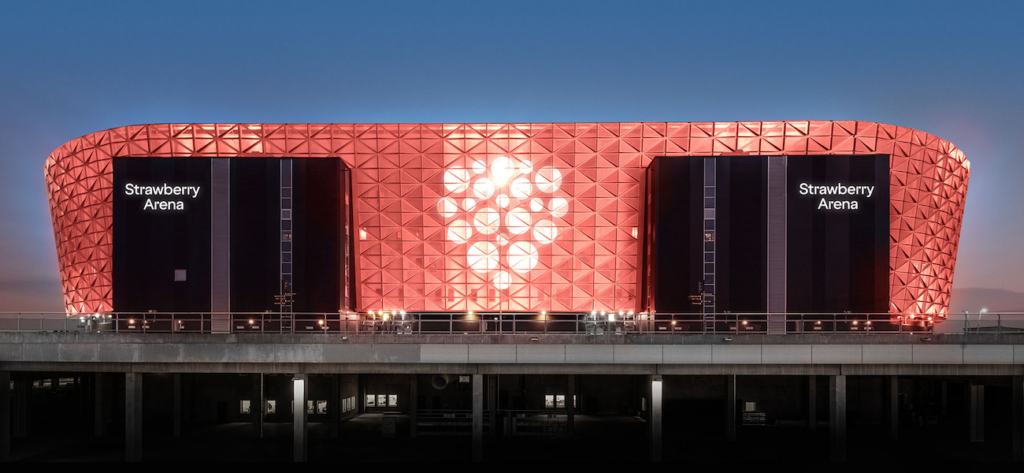
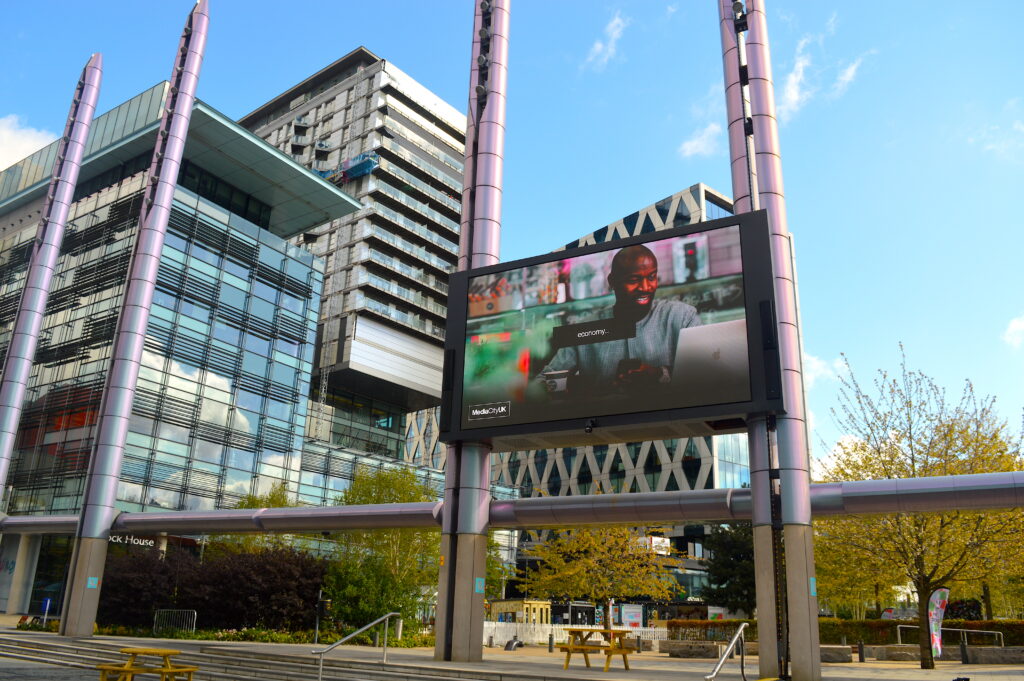
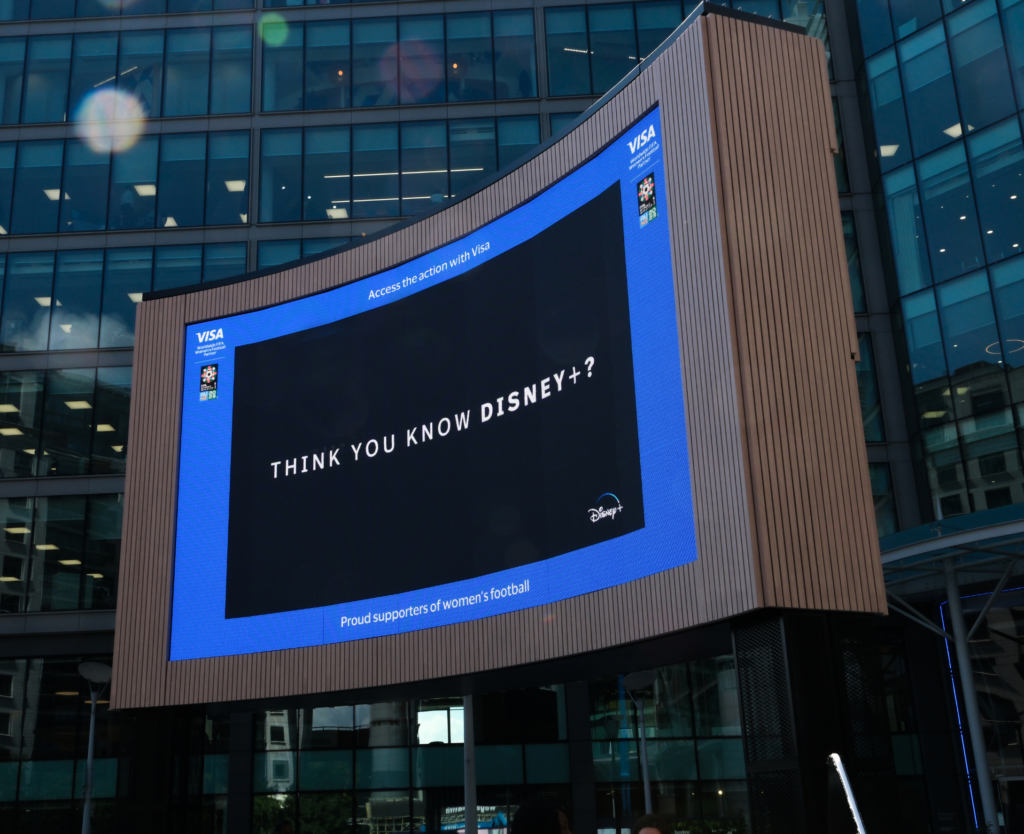
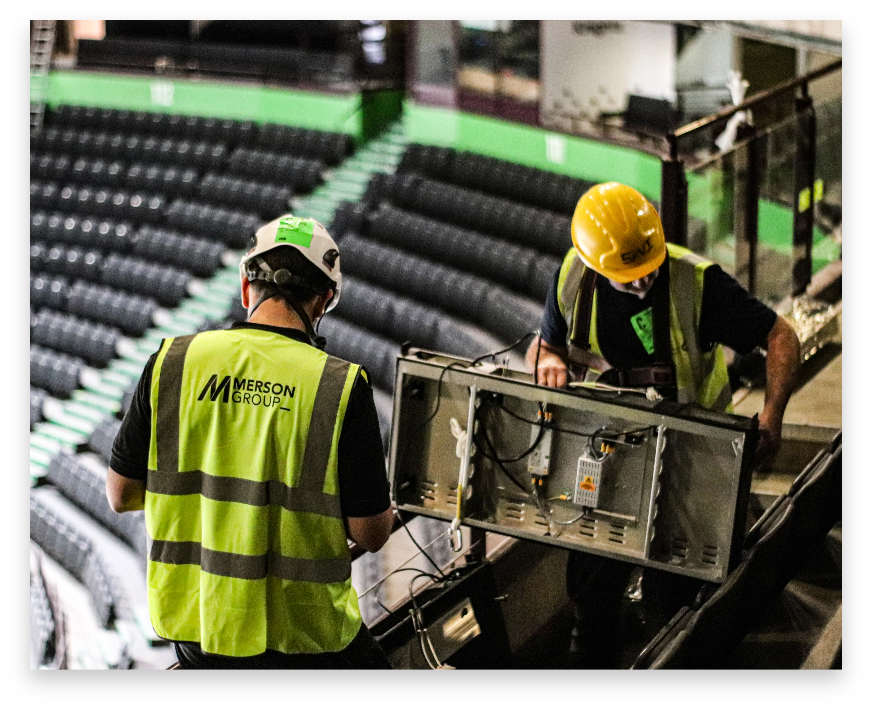
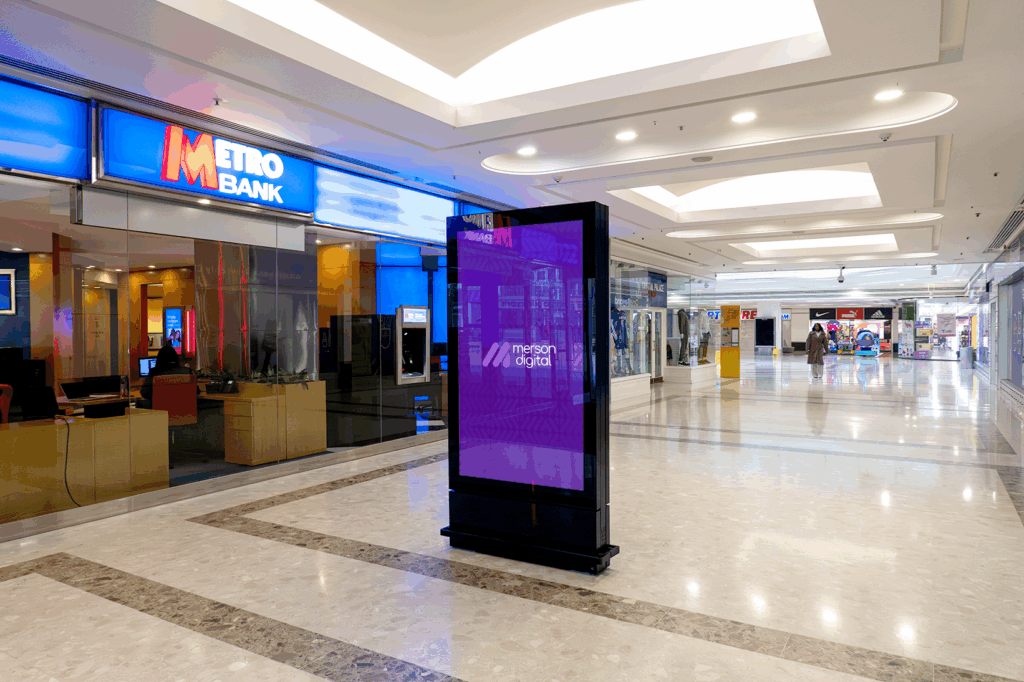
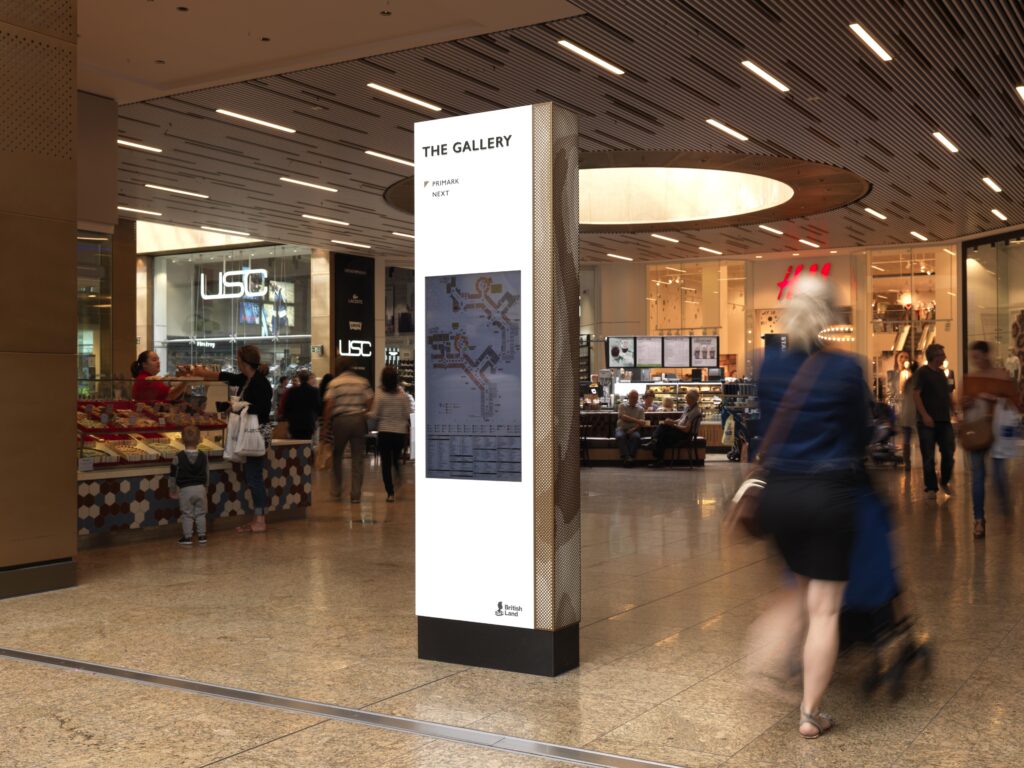
From bowl fascia’s and concourse ribbons to freestanding DOOH totems, we deliver performance-led systems designed to last. Our in-house teams handle design, manufacture, and install, with ongoing servicing and monitoring built in.
When it has to work, work hard, and work for years, it has to be engineered.