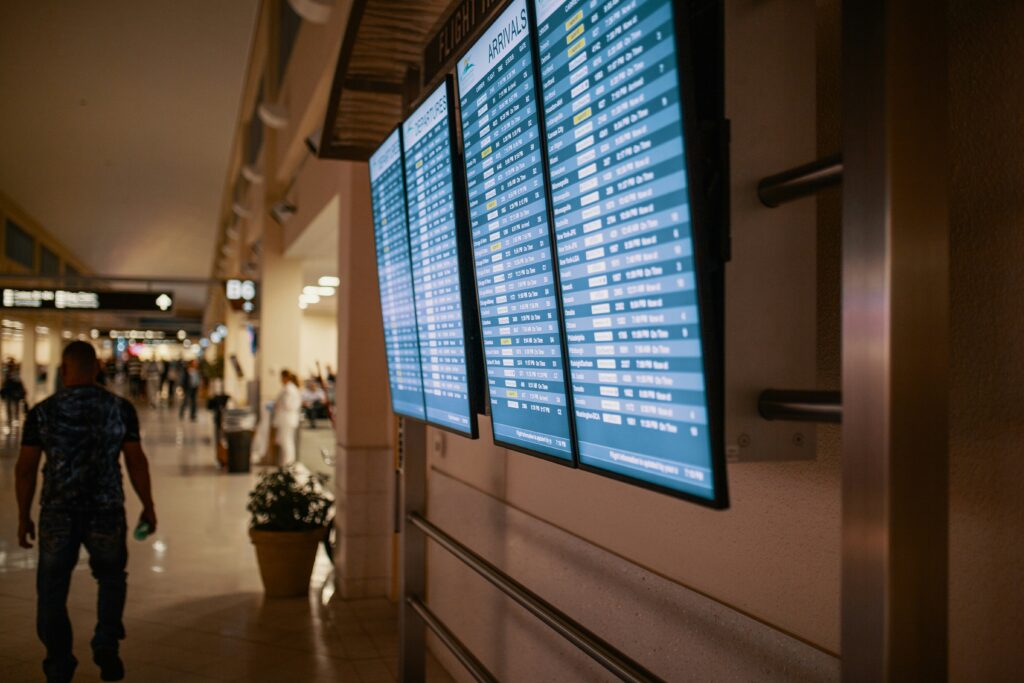

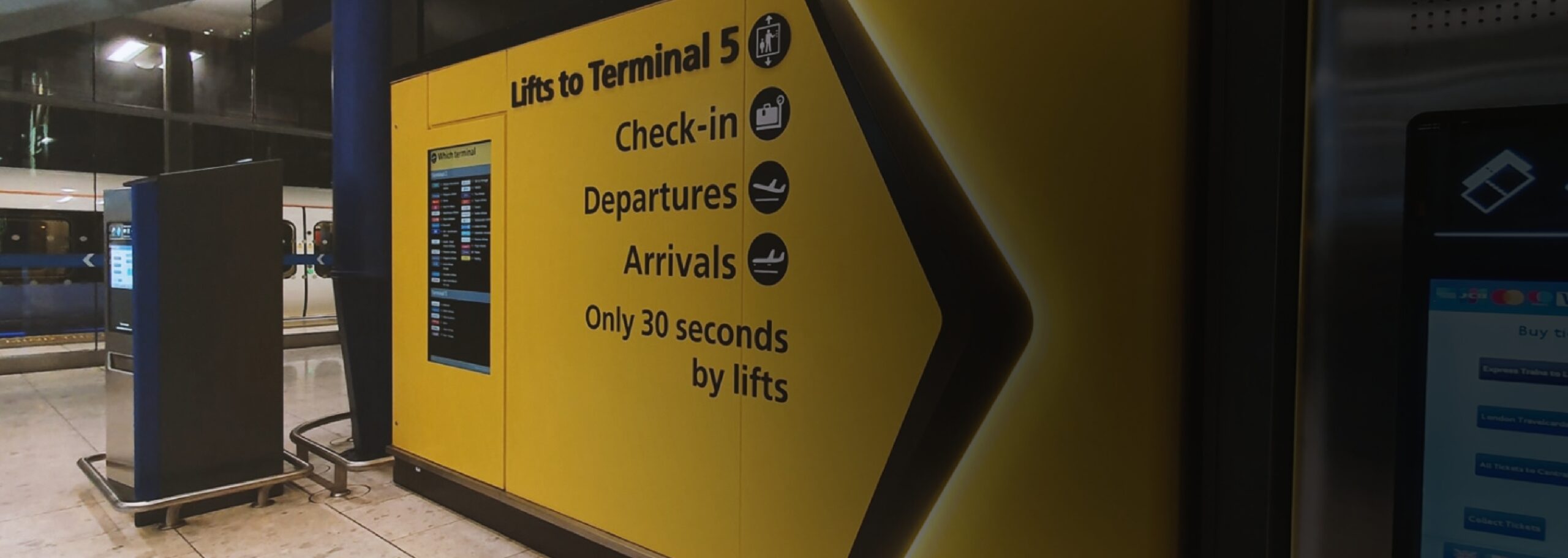
At first glance, digital wayfinding seems straightforward.
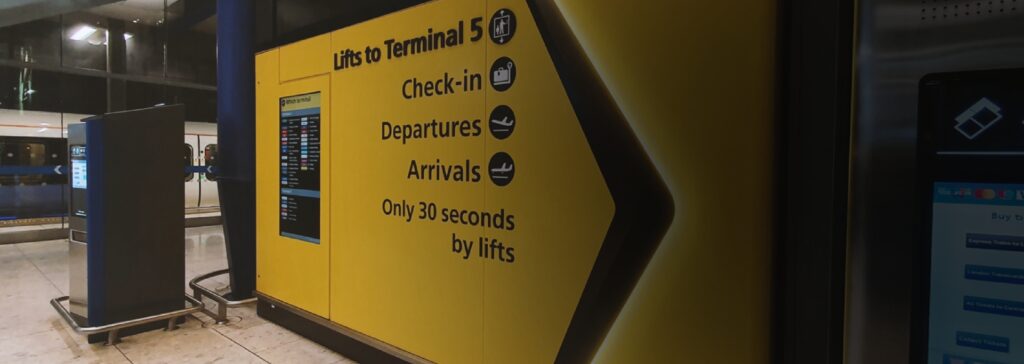
Help people find the right platform. Direct passengers to the correct terminal. Highlight facilities and provide real-time information.
In reality, wayfinding is one of the most technically demanding applications of digital signage.
Unlike retail or advertising displays, where grabbing attention is the primary goal, wayfinding has a different purpose. It needs to communicate the right information, to the right people, at exactly the right moment. If it doesn’t, the consequences can be immediate, from missed connections and congestion to frustrated passengers and operational delays.
Good Wayfinding Starts With Understanding People
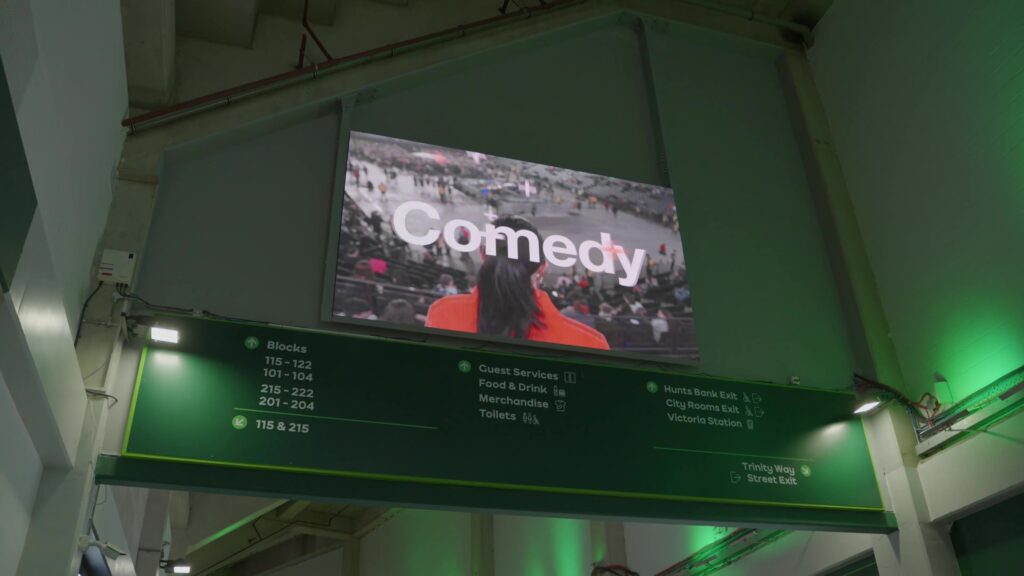
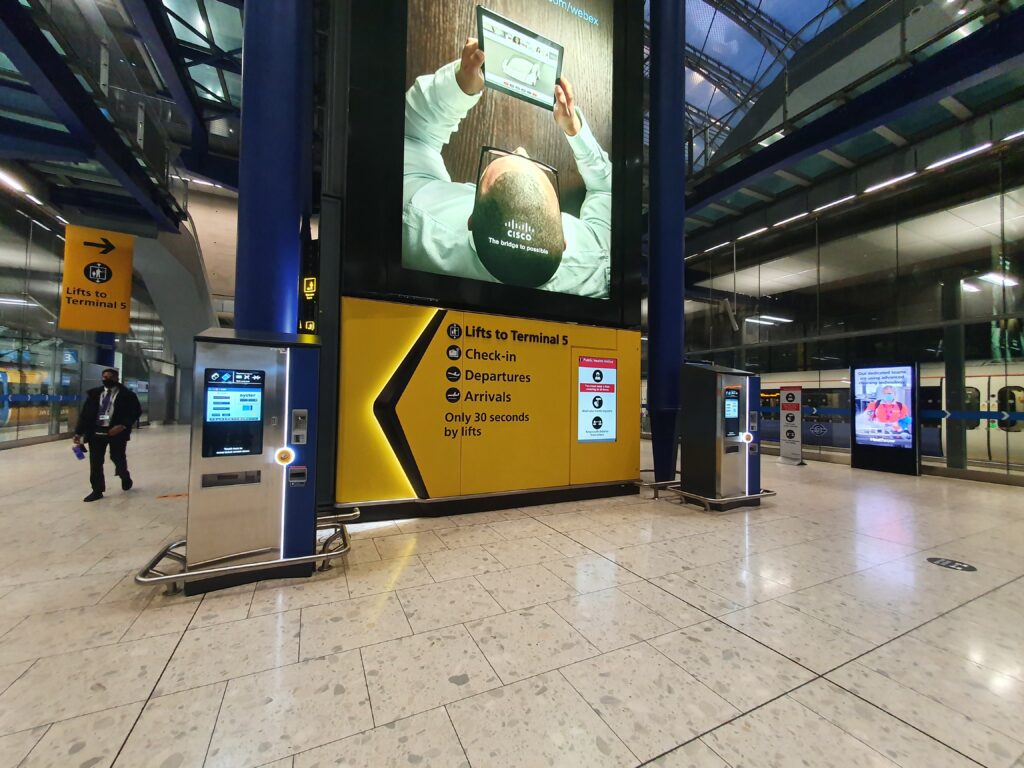
Effective wayfinding isn’t just about installing digital displays. It’s about understanding how people move through a space.
Passengers make hundreds of decisions as they navigate an airport or railway station. They’re often distracted, unfamiliar with their surroundings or travelling under time pressure.
Every display should support that journey.
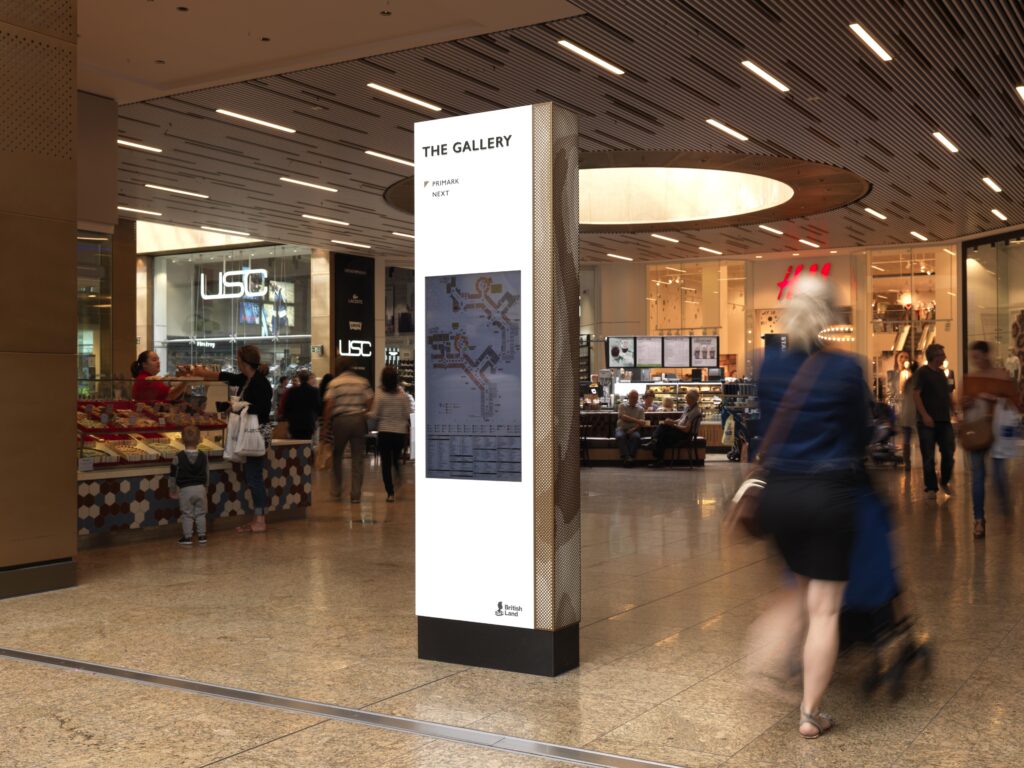
Positioning, viewing angles, content hierarchy and readability all influence whether information is seen and understood. Even a well-designed display can fail if it’s installed in the wrong location or presents too much information at once.
Information Needs to Be Dynamic
Transport environments are constantly changing.
Platforms change. Gates close. Services are delayed. Passenger flows shift throughout the day.
Static signage simply can’t respond to these changes in real time.
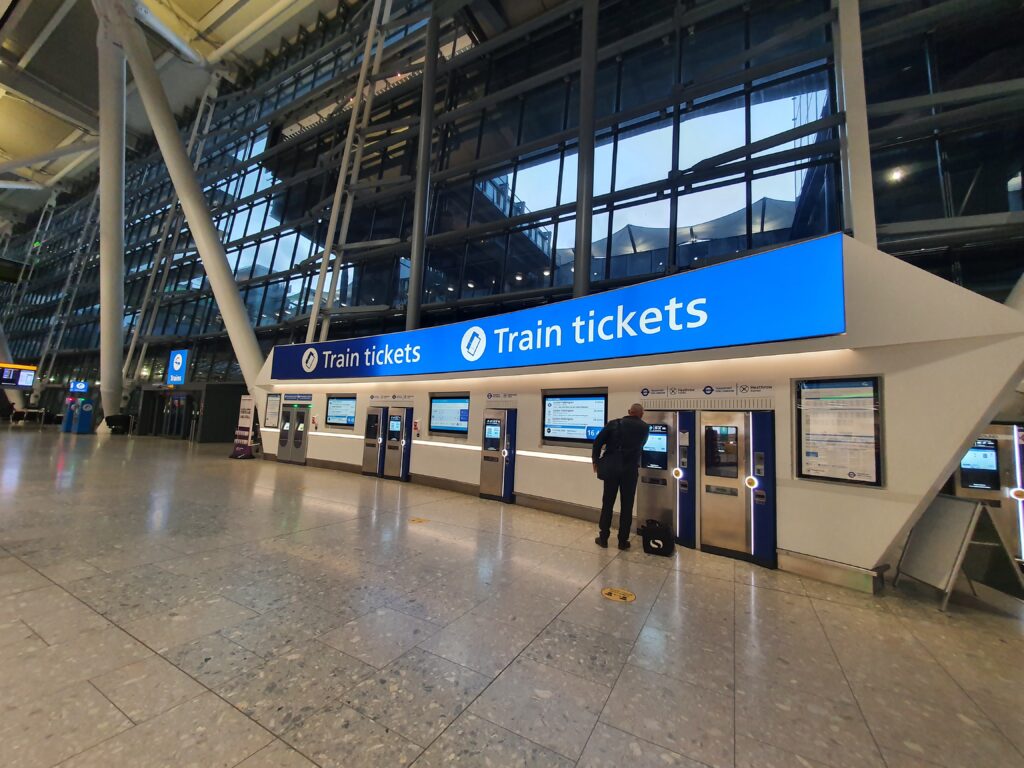
Digital wayfinding allows operators to update information instantly, helping passengers make informed decisions while reducing pressure on staff and improving the overall travel experience.
The value isn’t just in displaying information. It’s in delivering the right information when it’s needed most.
Reliability Is Non-Negotiable
A wayfinding display isn’t simply another screen.
It’s part of the operational infrastructure.
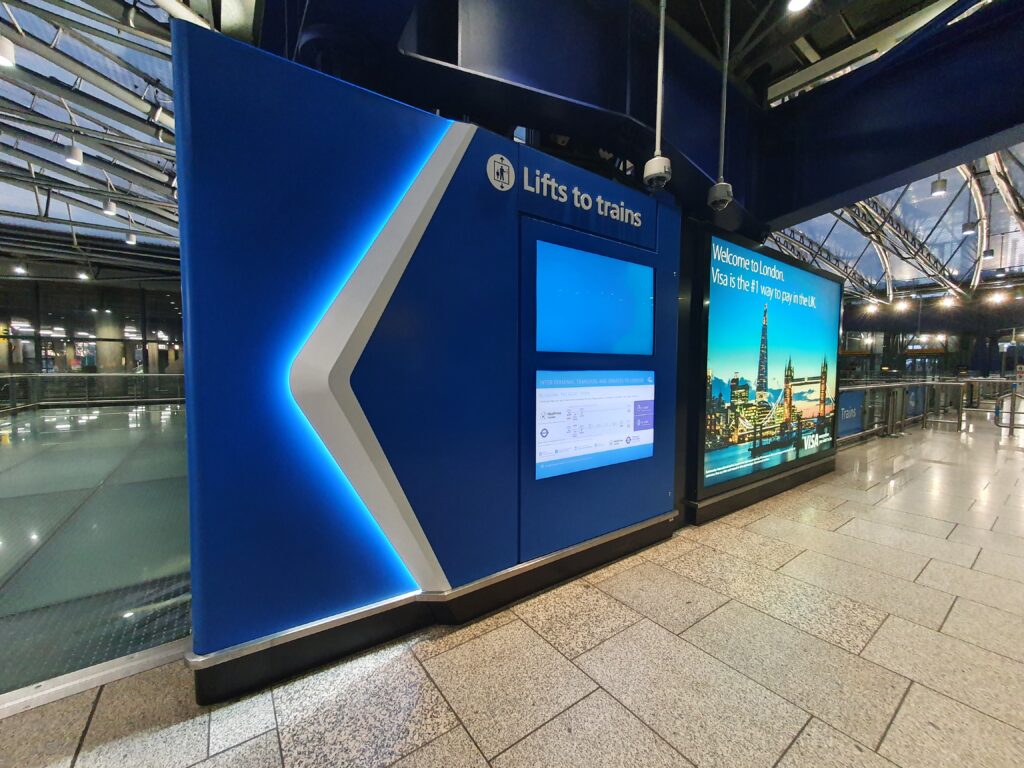
Displays must perform consistently in busy, high-traffic environments where thousands of people rely on them every day. That means considering everything from durability and maintenance access to network resilience and integration with wider transport systems.
Reliability isn’t a feature. It’s a requirement.
Designing for the Long Term
Transport hubs evolve over time.
New services are introduced, passenger numbers grow and layouts change to meet operational demands.
Digital wayfinding systems should be designed with that flexibility in mind. Modular hardware, remote content management and scalable infrastructure allow operators to adapt without replacing an entire system, protecting investment while supporting future growth.
The Bottom Line
Successful digital wayfinding isn’t defined by the displays themselves.
It’s the result of thoughtful planning, intelligent system design and a clear understanding of how people interact with complex environments.
At Merson Digital, we apply these principles to every transport project we deliver. Whether designing bespoke wayfinding solutions for airports, rail networks or other high-footfall environments, our focus is on creating digital signage that is reliable, intuitive and built around the people using it.
Planning a digital wayfinding project? We’d love to hear about it.