
Contact us now!
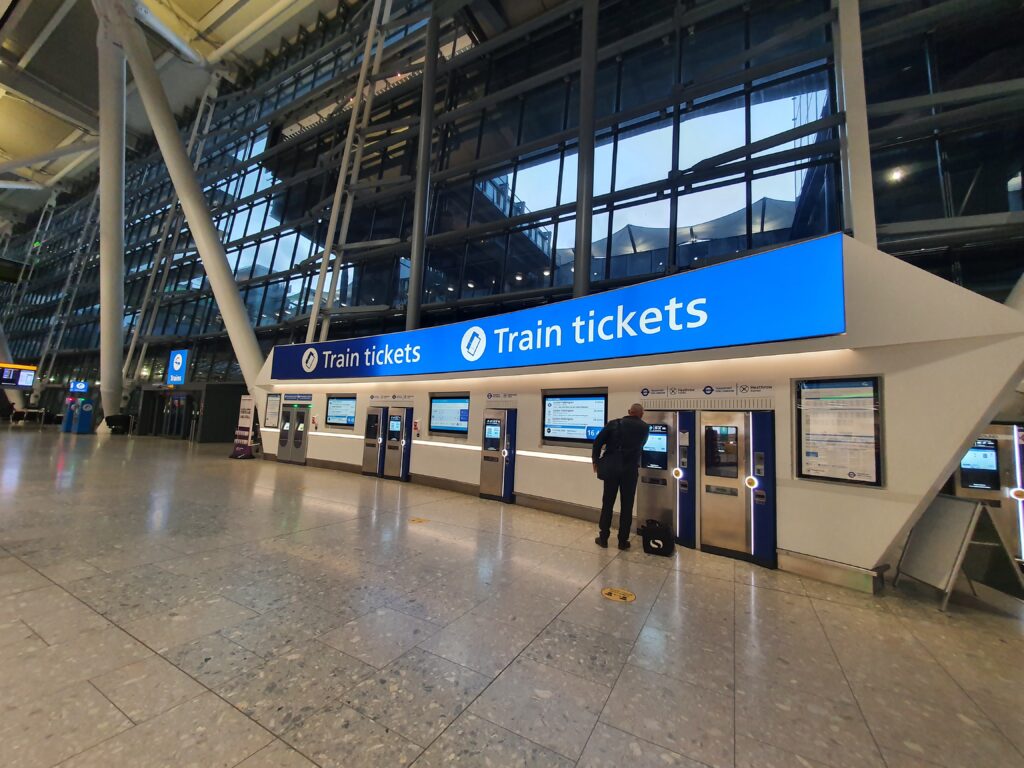
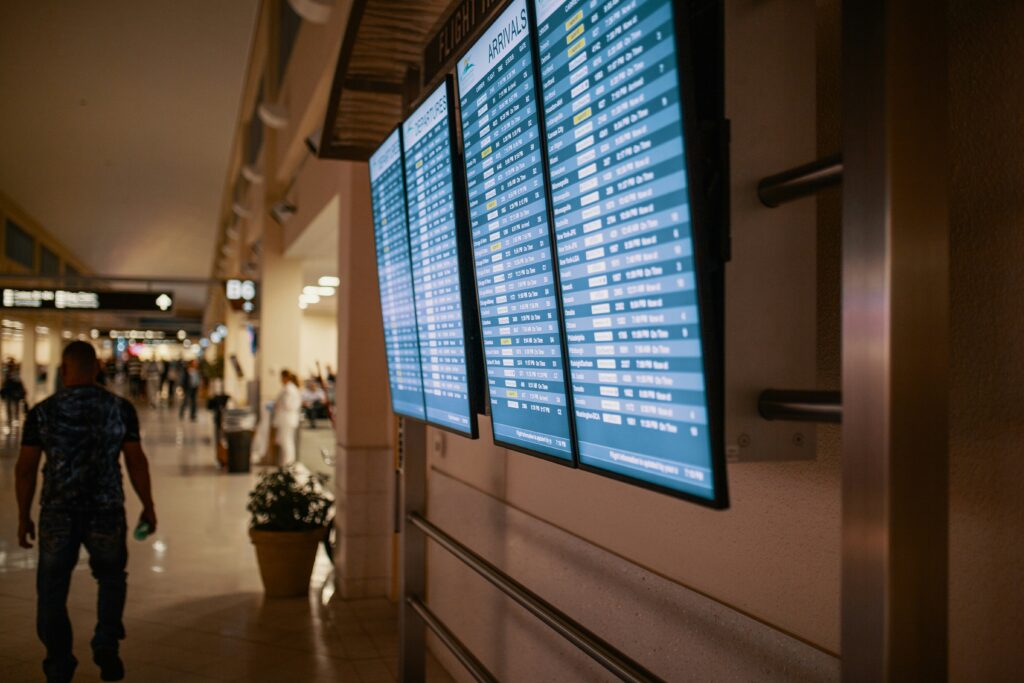
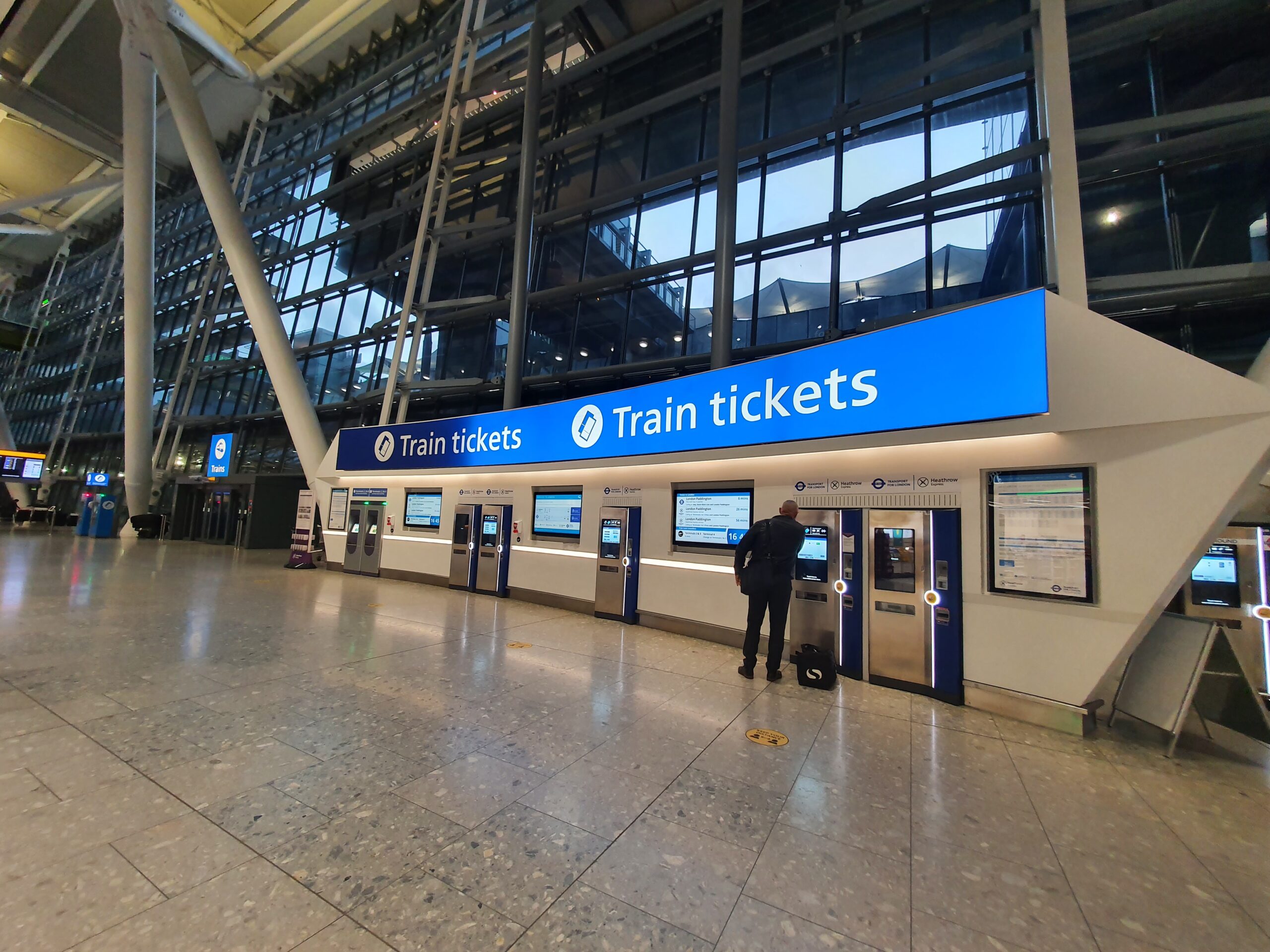
Imagine arriving at a busy railway station during rush hour.
You’re checking your train time, carrying luggage, avoiding crowds and trying to find the right platform.
Now imagine you have just a few seconds to find the information you need before continuing your journey.
That’s the challenge every digital wayfinding system faces.
Successful digital communication isn’t about displaying more information. It’s about helping people understand the right information, as quickly as possible.
Every Second Matters
People rarely stop to study a digital sign.
Instead, they scan it while walking, making decisions in real time. If the most important message isn’t immediately obvious, there’s a good chance it will be missed.
That’s why effective wayfinding starts with prioritisation.
The most important information should always be the easiest to find.
Simplicity Is a Strength
One of the biggest mistakes in digital signage is trying to communicate everything at once.
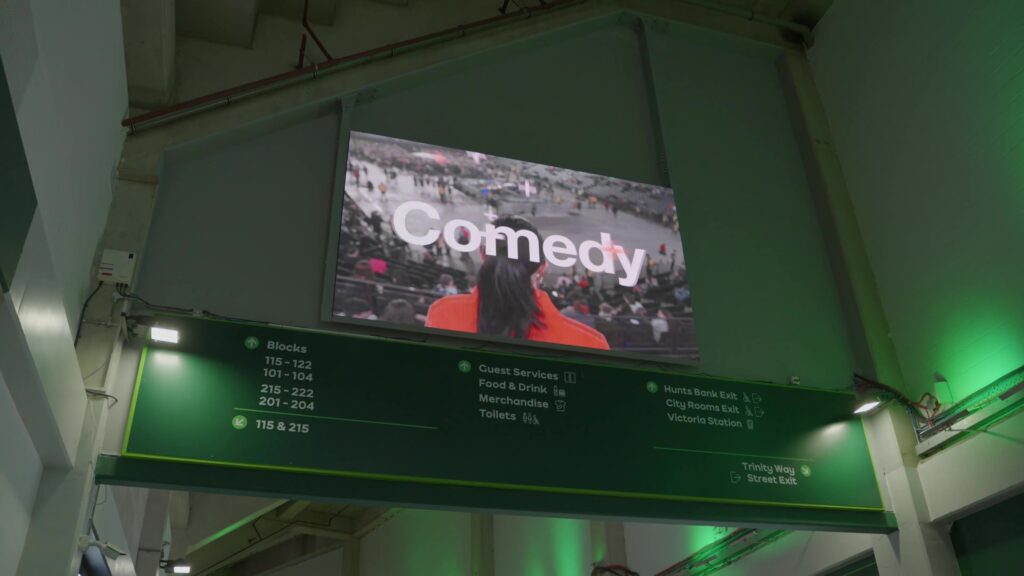
Maps, directions, service updates, advertising and promotional messages can quickly compete for attention, making it harder for passengers to find what they actually need.
Clear hierarchy, concise messaging and thoughtful layouts help reduce cognitive effort, allowing people to make decisions quickly and confidently.
Design Should Support Movement
Wayfinding isn’t experienced while standing still.
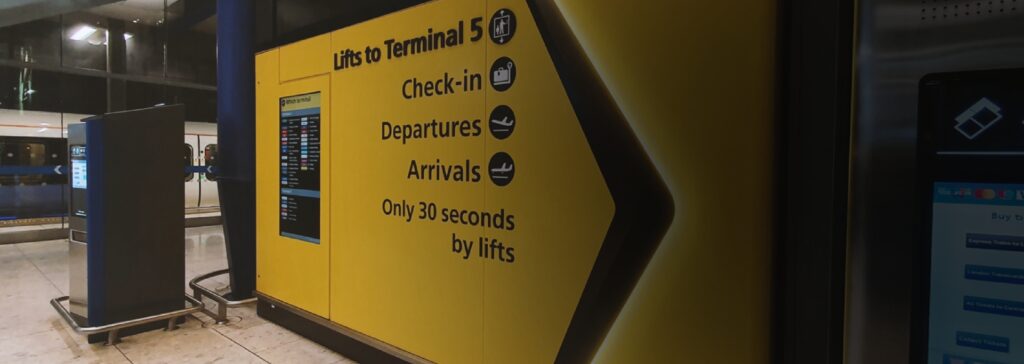
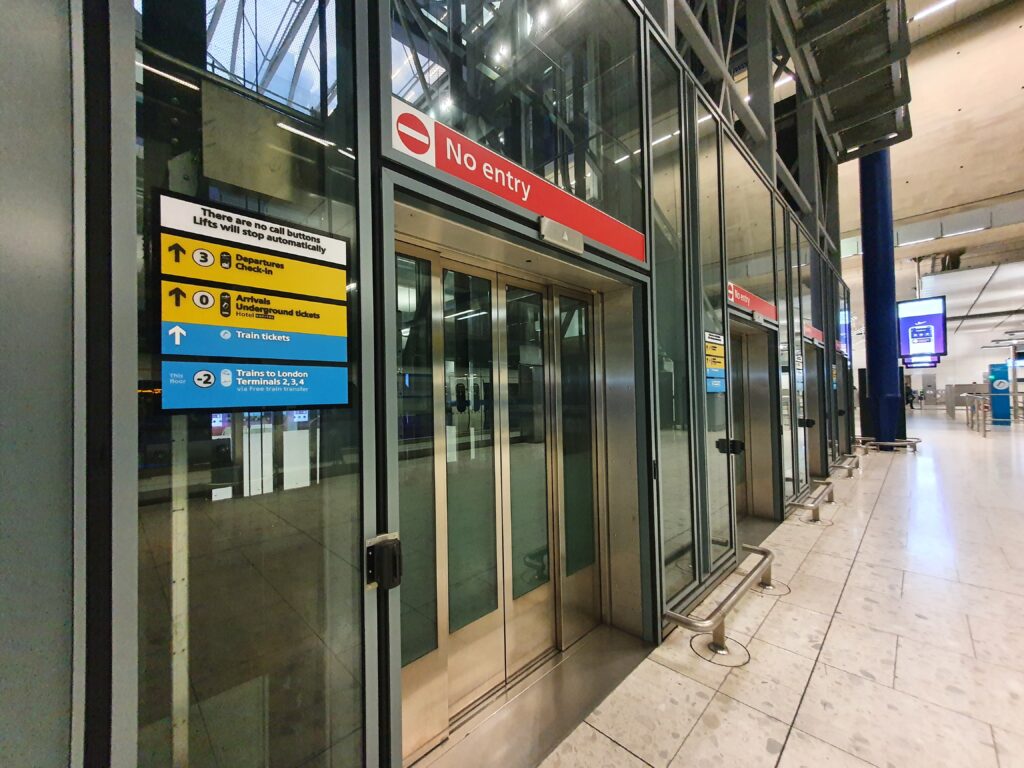
Passengers are constantly moving, often under time pressure. Displays should therefore be designed to be read at a distance, from different angles and while people are walking.
Typography, colour contrast, iconography and screen placement all contribute to how quickly information can be understood.
Good design removes friction from the journey rather than adding to it.
Digital Wayfinding Should Be Flexible
Transport environments change constantly.
Platforms change, services are delayed and passenger flows shift throughout the day. Digital signage allows operators to respond instantly, ensuring passengers always receive accurate, up-to-date information.
This flexibility is one of the greatest advantages of digital wayfinding, improving both operational efficiency and the passenger experience.
The Bottom Line
The success of a digital wayfinding system isn’t measured by how much information it displays. It’s measured by how quickly people understand it.
By combining intelligent design with digital technology, transport operators can create environments that are easier to navigate and more enjoyable to use.
At Merson Digital, we design and deliver bespoke digital wayfinding solutions that communicate clearly, integrate seamlessly and perform reliably in complex transport environments.
Planning a transport signage project? We’d love to hear about it.