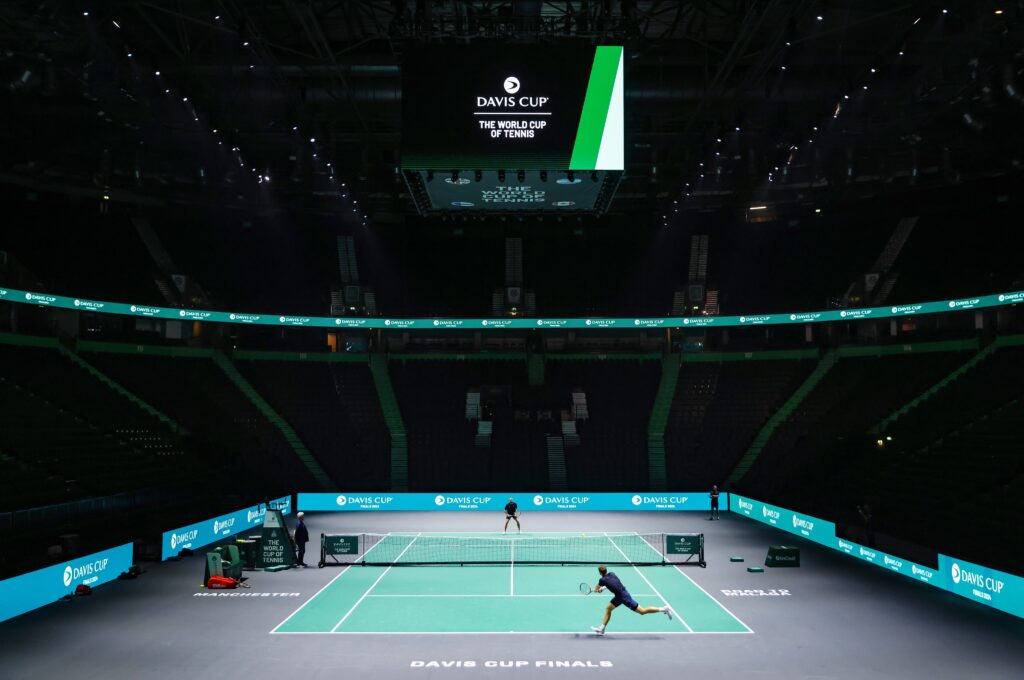

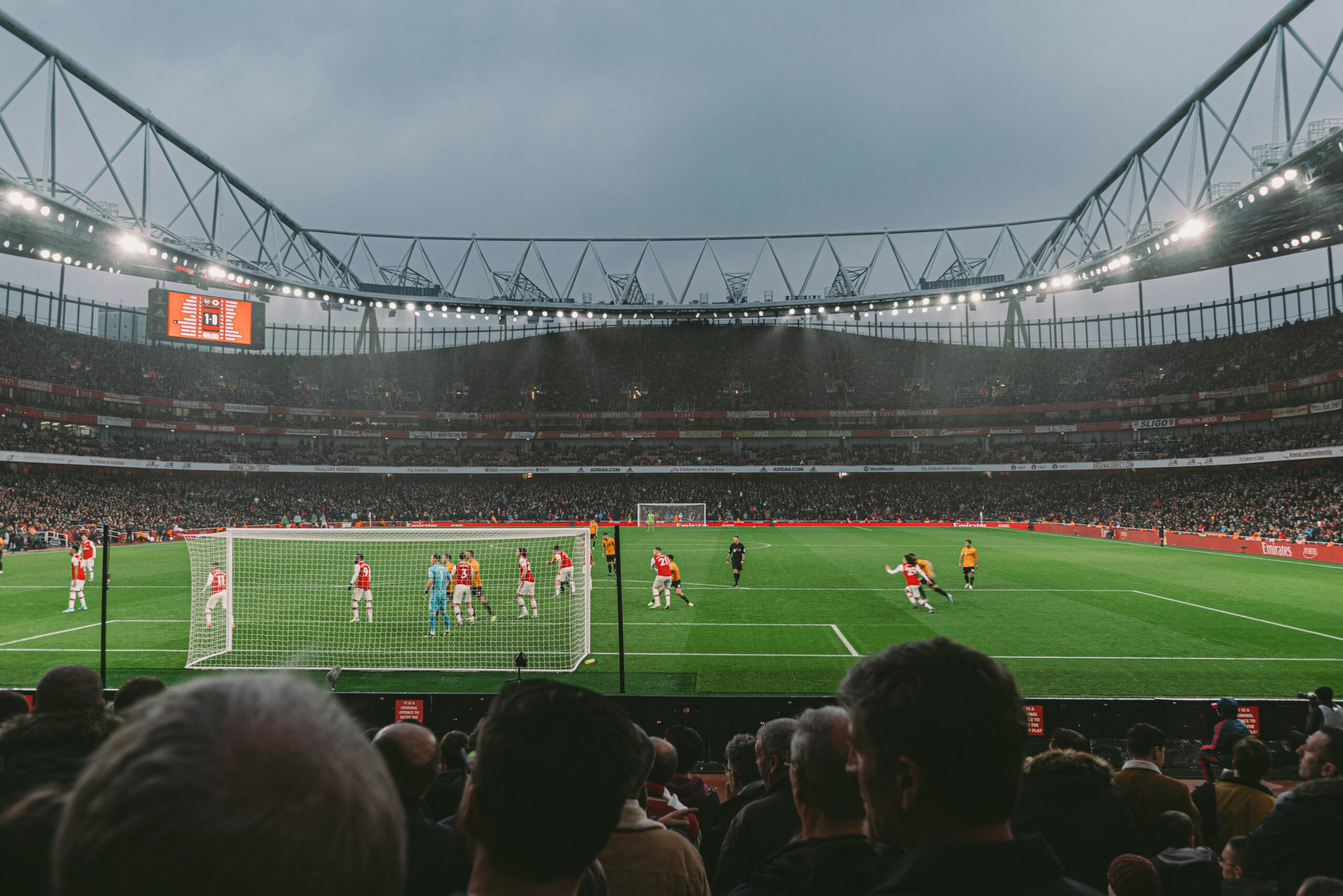
Getting 60,000 people into a stadium, around it, and out again without incident is one of the most complex operational challenges in live events. When it goes wrong, guests notice immediately, long queues, missed kick-offs, crowded concourses, frustrated staff. Digital wayfinding should solve this. Too often, it makes it worse. Here’s how to specify a system that actually guides people, rather than one that just looks good in a brochure.
Why Most Stadium Wayfinding Projects Miss the Mark
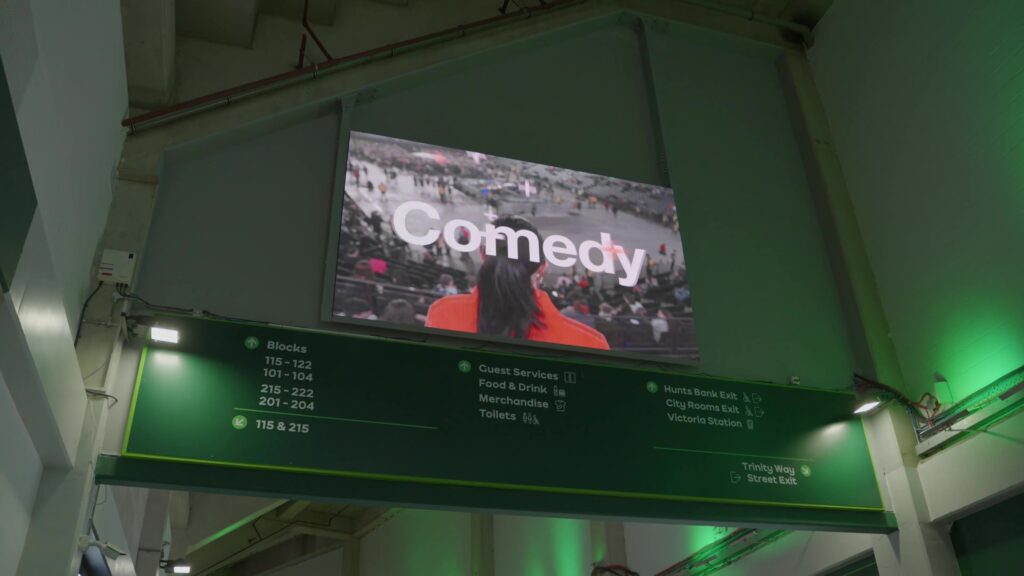
The most common failure point in digital wayfinding isn’t the hardware. It’s the planning. Screens get installed based on what looks good architecturally, at entrances, in lobbies, at key junctions, without mapping them to how guests actually move through the venue. The result: displays that don’t address the real decision points, content that doesn’t update in real time, and messaging that’s static during the highest-pressure moments of an event.
The scale of the problem is significant. Research from the Fan Experience Forum (2026) found that 54% of arena and stadium visitors cited poor wayfinding as a key frustration during live events. Not the queue itself, but not knowing where to go. In high-footfall environments, confusion isn’t just an experience issue. It creates bottlenecks, slows dwell-time revenue, and creates safety risks at peak capacity. A wayfinding system that doesn’t guide people in real time isn’t a wayfinding system at all.
The Three Things That Actually Make Wayfinding Work
Effective digital wayfinding for stadiums comes down to three elements, and most specifications miss at least one of them.
First: flow logic. Before any screen is placed, you need to understand how guests move through the venue by entry point, stand, concession zone, and exit. Wayfinding should be mapped to those actual flows, not imposed onto existing architecture after the fact.
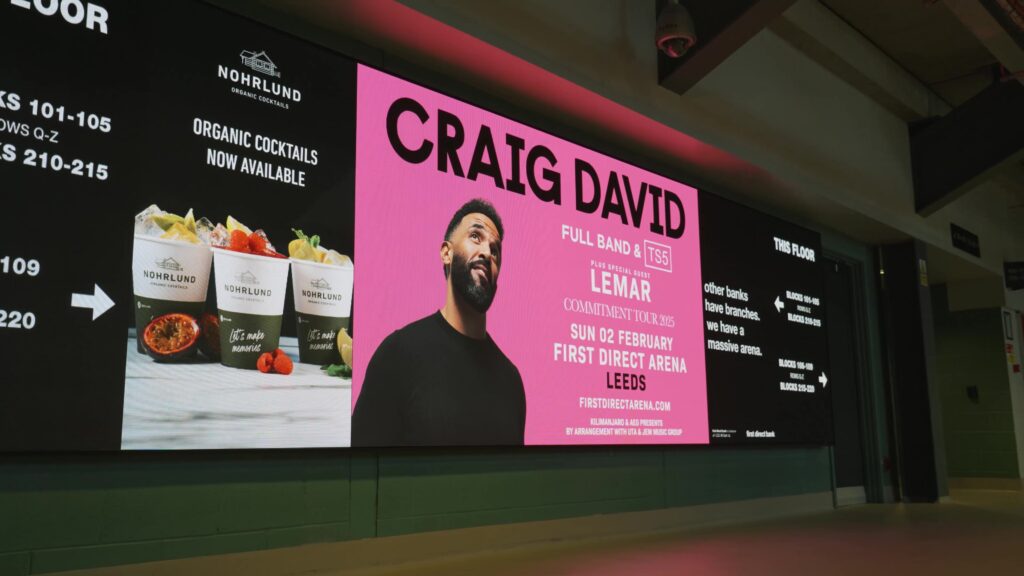
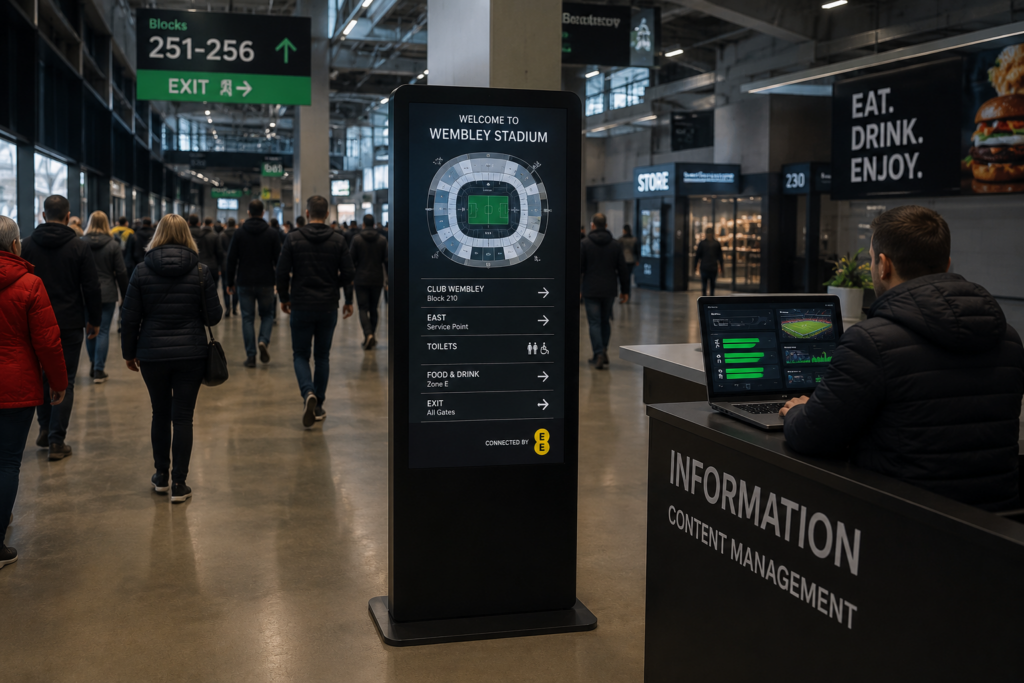
Second: content connectivity. Static wayfinding is, at best, a digital version of a printed sign. Effective systems connect to live event data, gate changes, queue alerts, service point availability, post-event exit routing, so the information on screen is always current and relevant to the moment.
Third: managed content. Someone has to own the content programme and update it for every event. This is where most projects quietly fall apart. The system goes live, the content is set, and nobody manages it after that. Within months, screens are showing the wrong event, the wrong sponsors, or nothing at all.
Merson Digital designs wayfinding systems with all three in mind, from initial flow mapping through installation to ongoing content management and monitoring via Eversight.
Where to Start With Your Wayfinding Specification
Before engaging a technology supplier, get three things in place.
A guest journey map. Walk every major route through your venue, entry to seat, seat to concourse, concourse to exit, and note every decision point. These are the locations where screens must deliver, not just exist.
A content ownership model. Decide who is responsible for managing the content on those screens before, during and after each event. If that answer isn’t clear, the system will not perform as intended regardless of hardware quality.
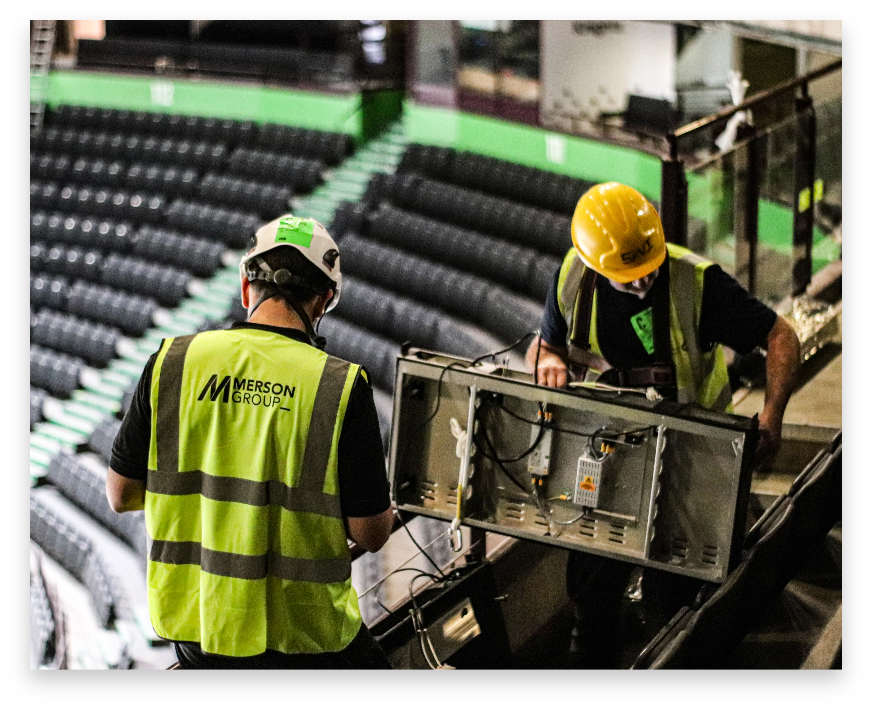
A maintenance and monitoring plan. Digital wayfinding in a live venue environment is operational infrastructure, not a fit-and-forget installation. Hardware fails. Content goes stale. Systems need managing.
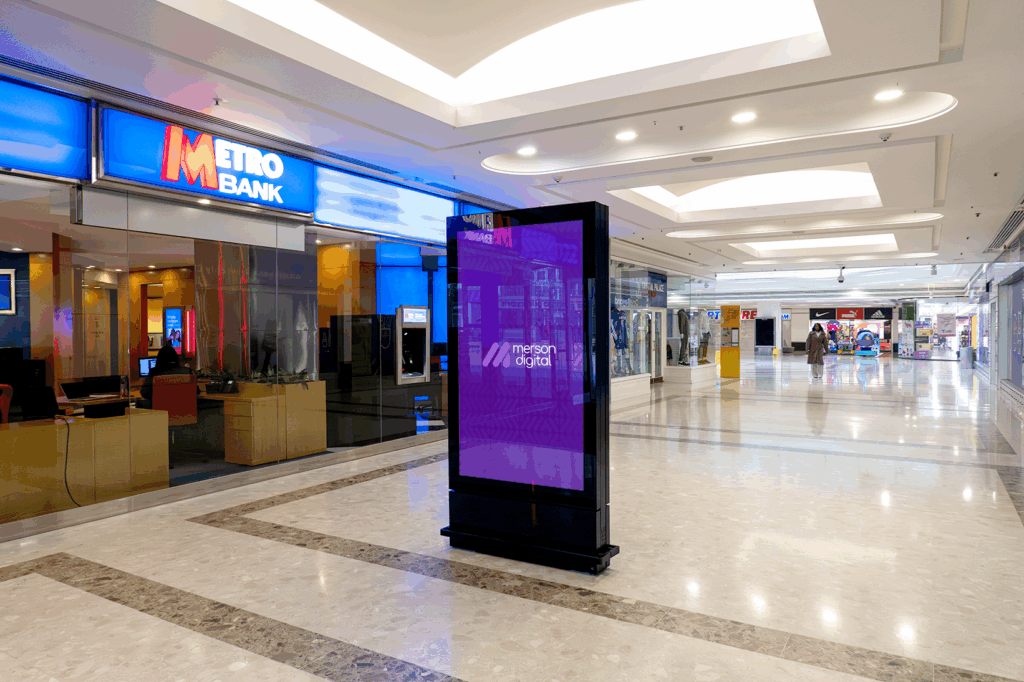
For venues that want a single accountable partner across all three, design, installation, and long-term operation, Merson Digital has delivered wayfinding solutions across major arena and transport environments in the UK.
Where to go from here
Digital wayfinding works when it’s designed around how people actually move, not around what looks good in a render. The technology is the easy part. The flow logic, content programme and operational model behind it are what determine whether guests actually find their way. Get those right, and the screens do their job. Get them wrong, and you’ve spent a significant budget on a problem that hasn’t been solved.