

By Georgie Holgate-Stuckey
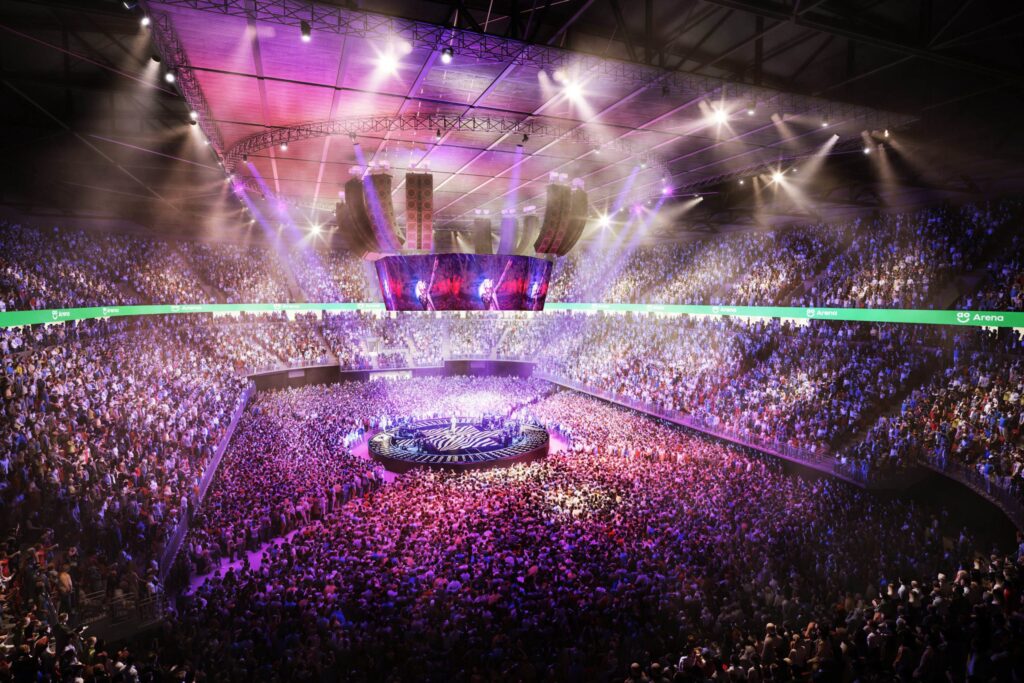
In 2026, digital signage is doing more than broadcasting, it’s shaping how we experience space. From stadiums to public infrastructure, LED systems are driving connection, communication, and commercial return. And as expectations grow, so do the demands on scale, performance, and sustainability.
Here are 12 trends defining the future of large-scale LED environments.
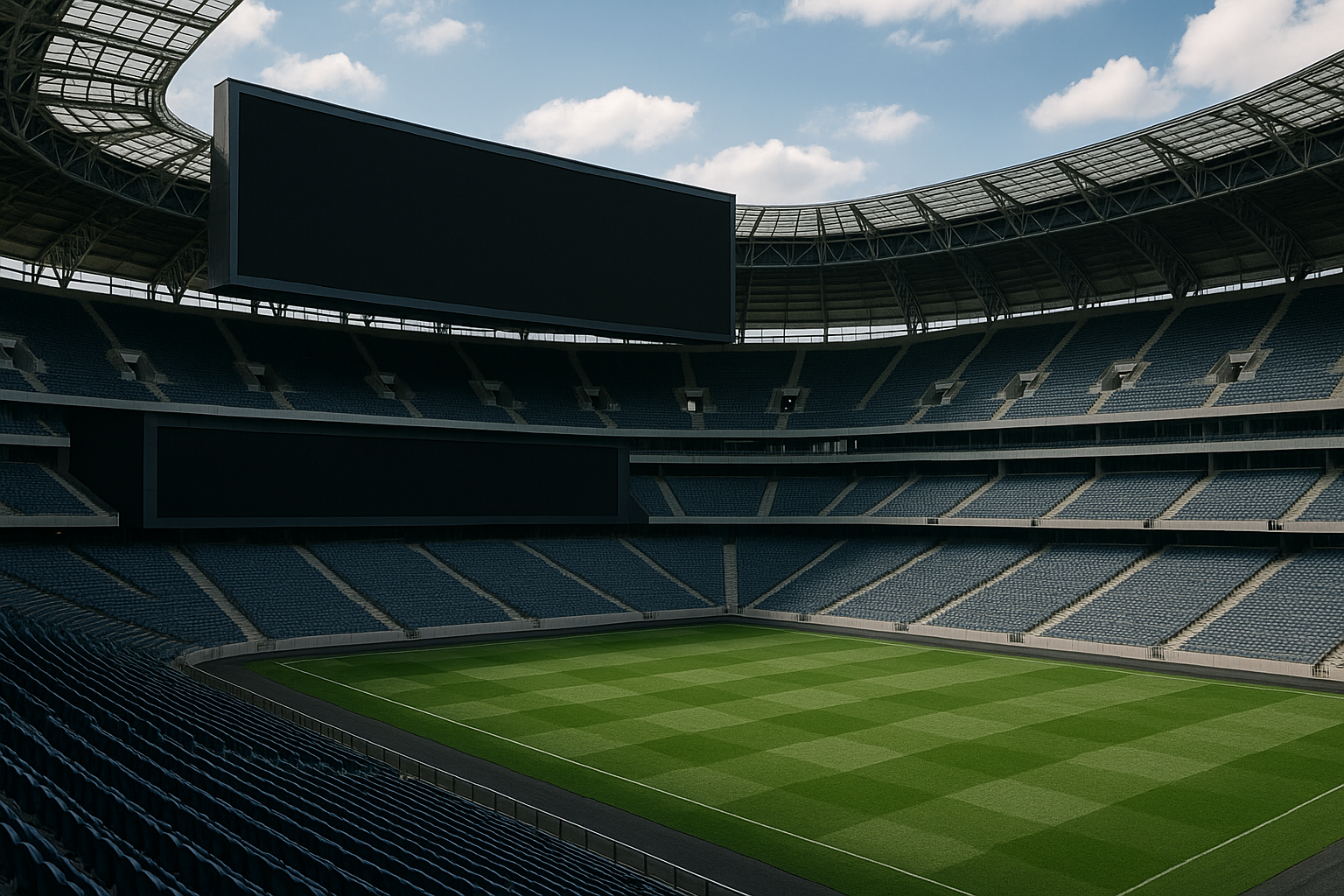
1. Structural LED Integration
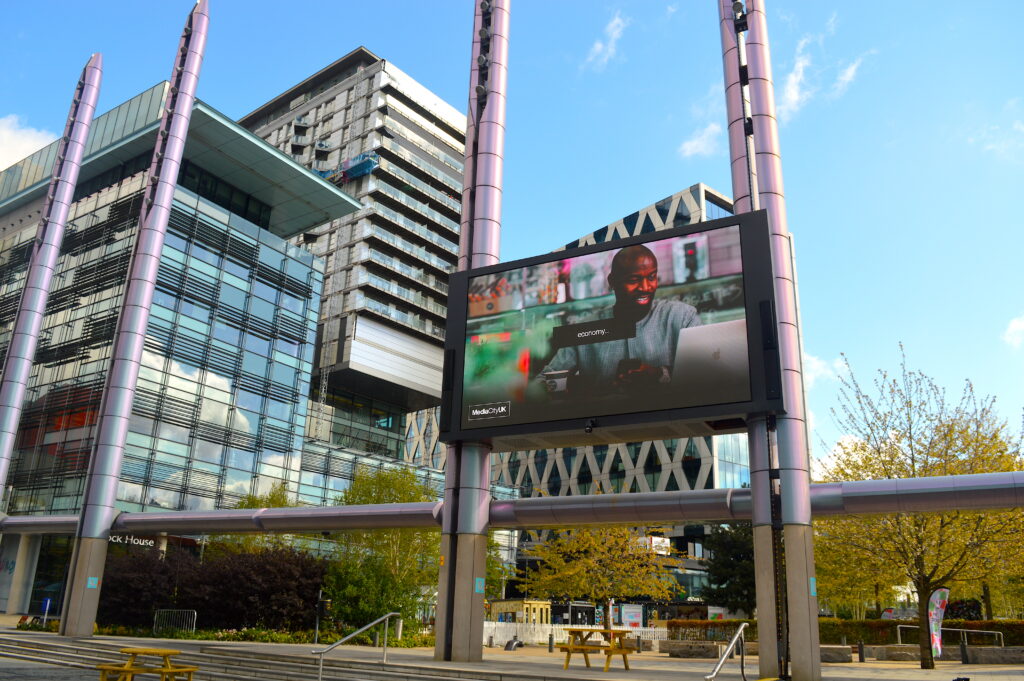
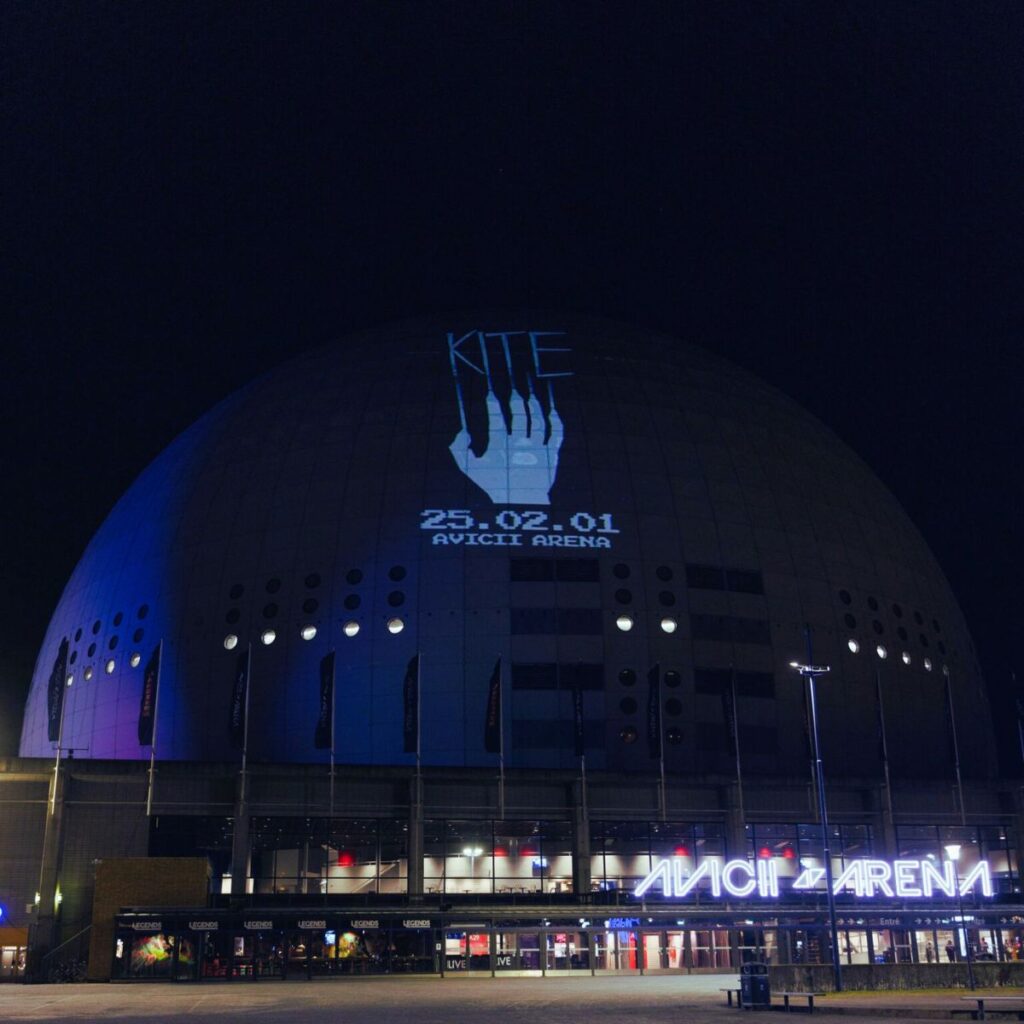
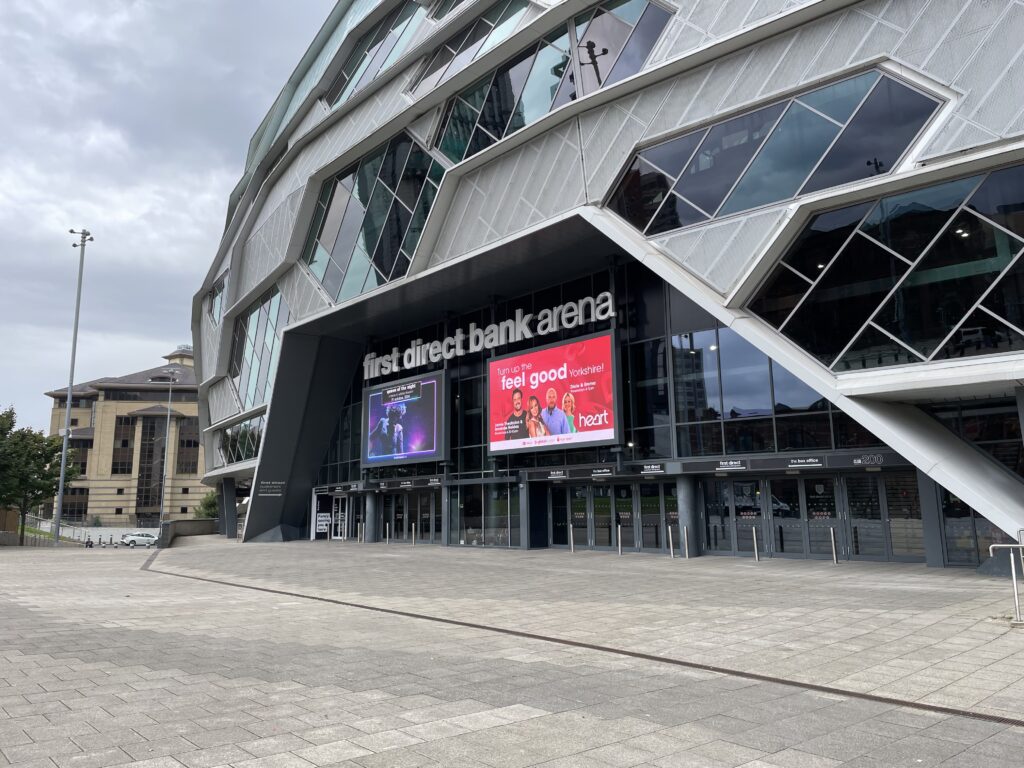
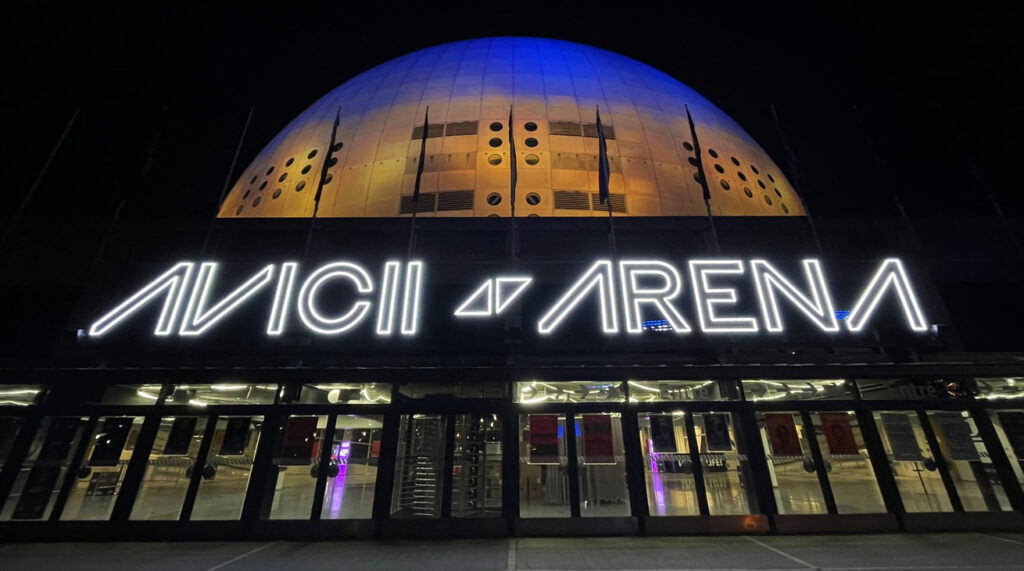
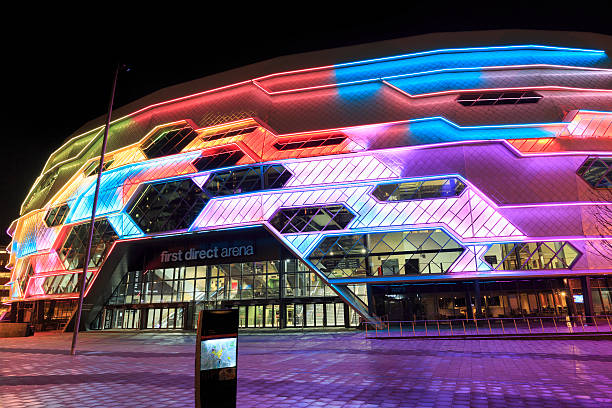
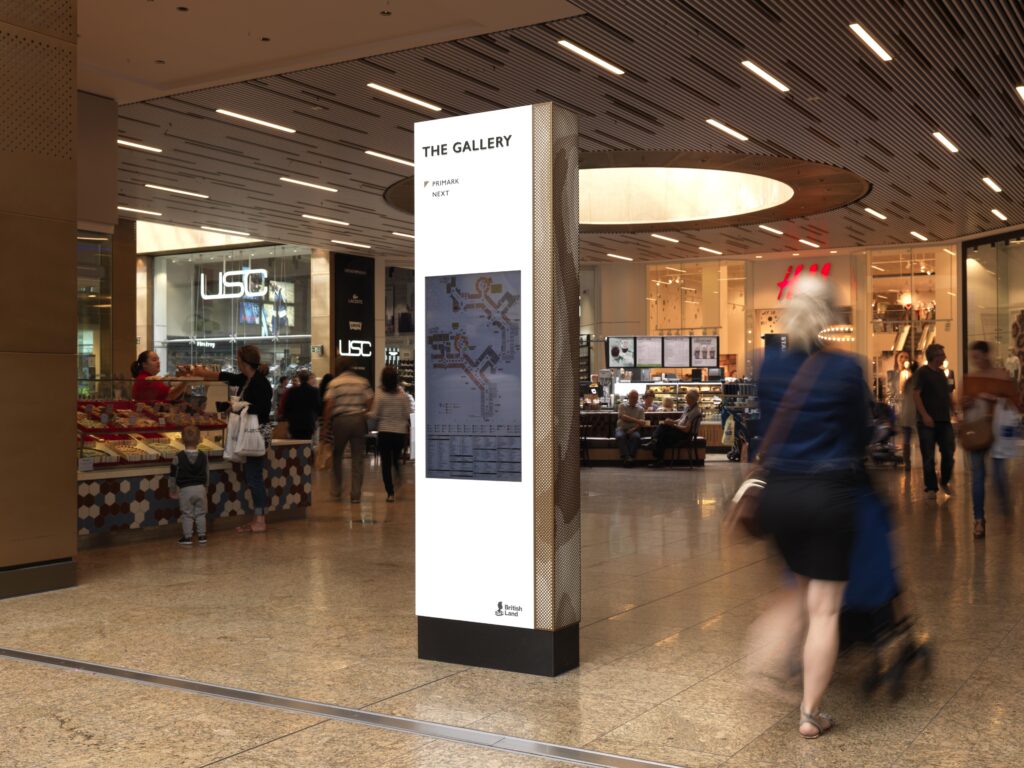
Architectural and structural LED are merging. New display systems are being embedded into façades, pillars, and built elements, turning surfaces into storytelling canvases. This shift eliminates visual clutter while elevating aesthetic cohesion.
2. Outdoor Displays, Upgraded
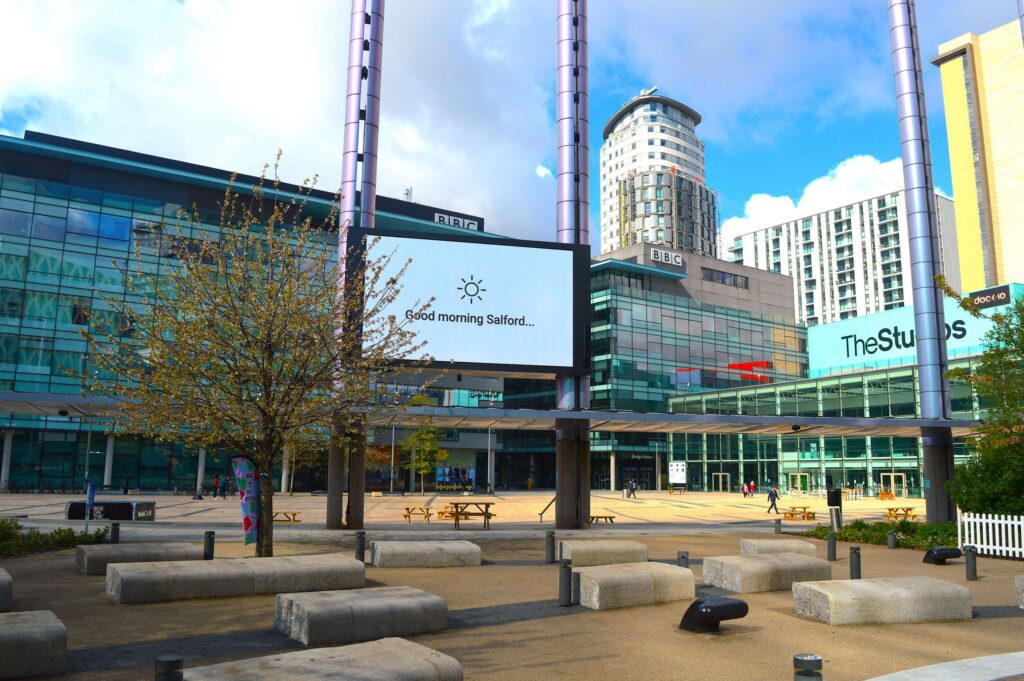
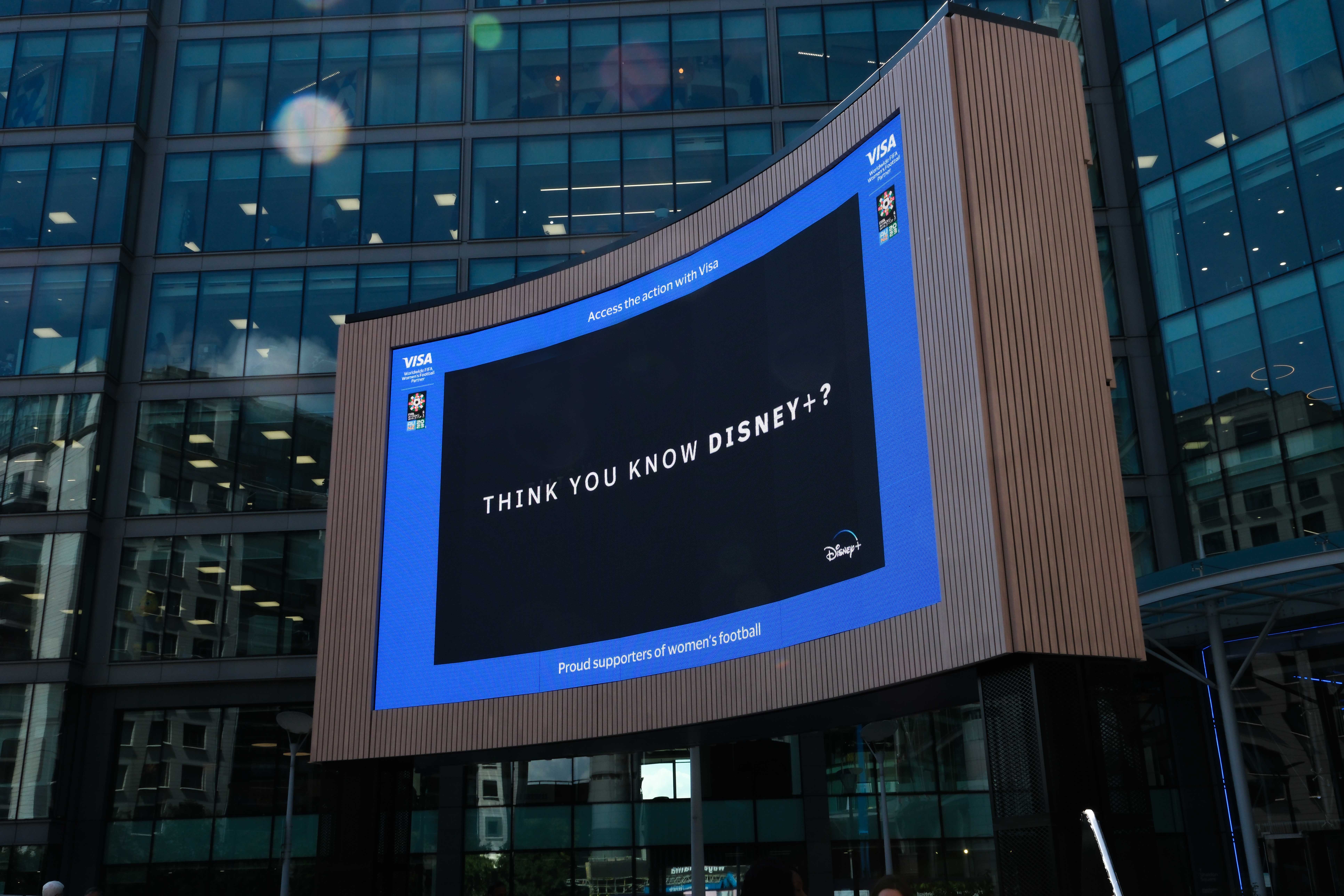
Weather-resistant, high-brightness, and glare-optimised LED panels are becoming standard in transport hubs, city squares, and open-air venues. With IP65+ ratings and extended lifespan warranties, these installations are made to endure.
3. Live Data Feeds in Real Time
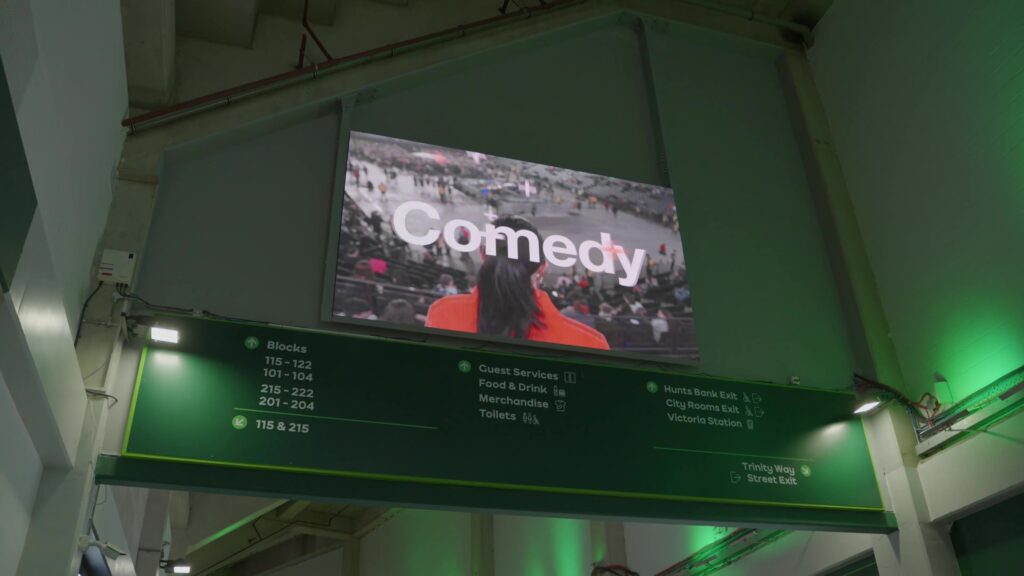
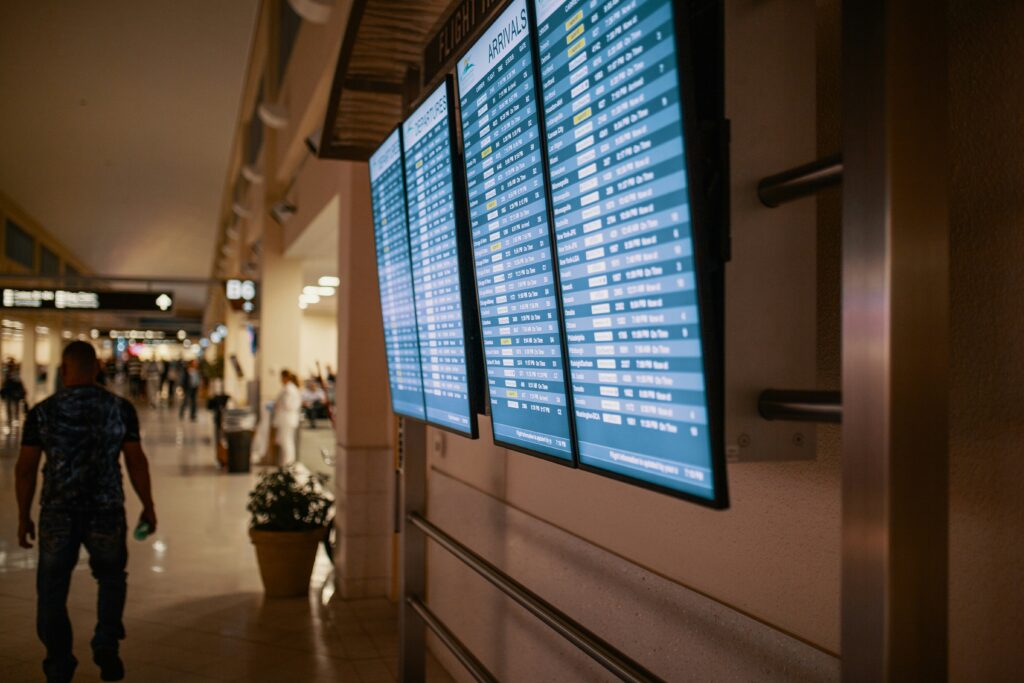
From transit schedules to sustainability stats, real-time data is being visualised dynamically through LED displays. These applications go beyond branding, they serve public function, creating environments that respond to live conditions.
4. Precision Manufacturing and QC
As the scale of installs increases, so does the need for precision. Leading LED providers are investing in quality control systems, multi-stage testing, and full digital twins pre-deployment to guarantee site performance.
5. Modular Systems for Complex Environments
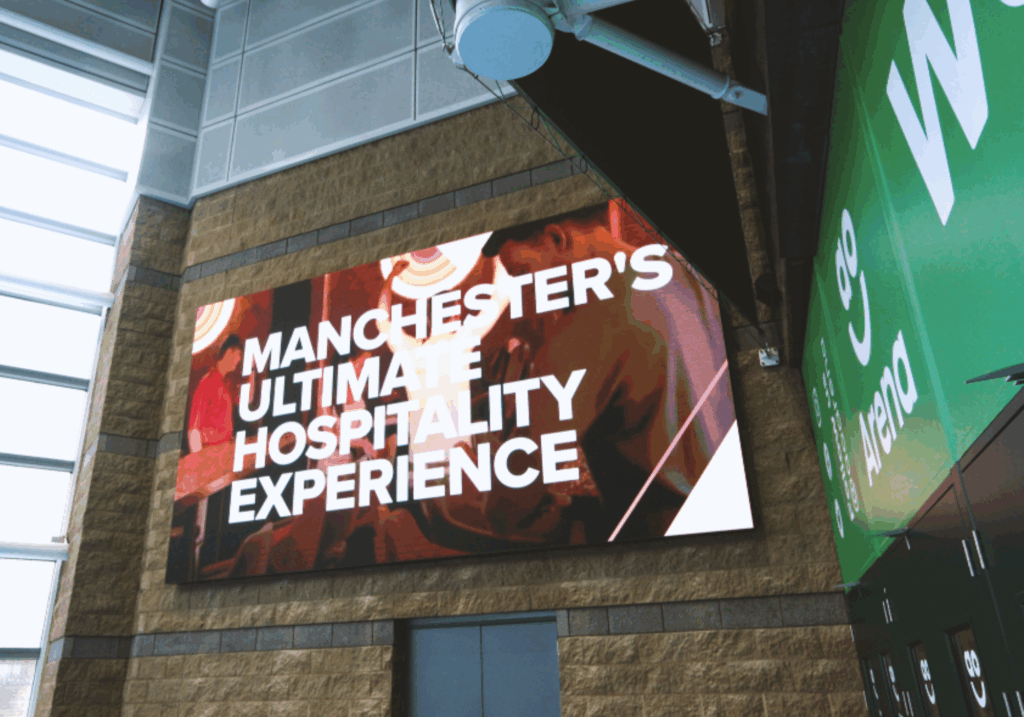
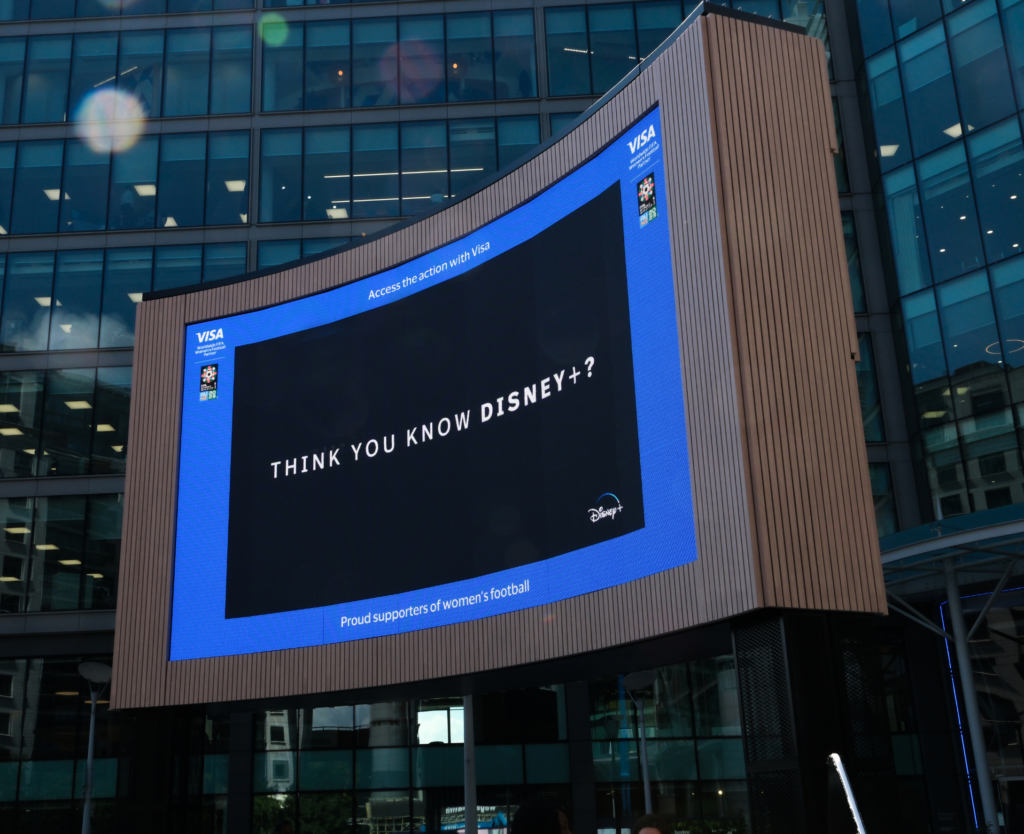
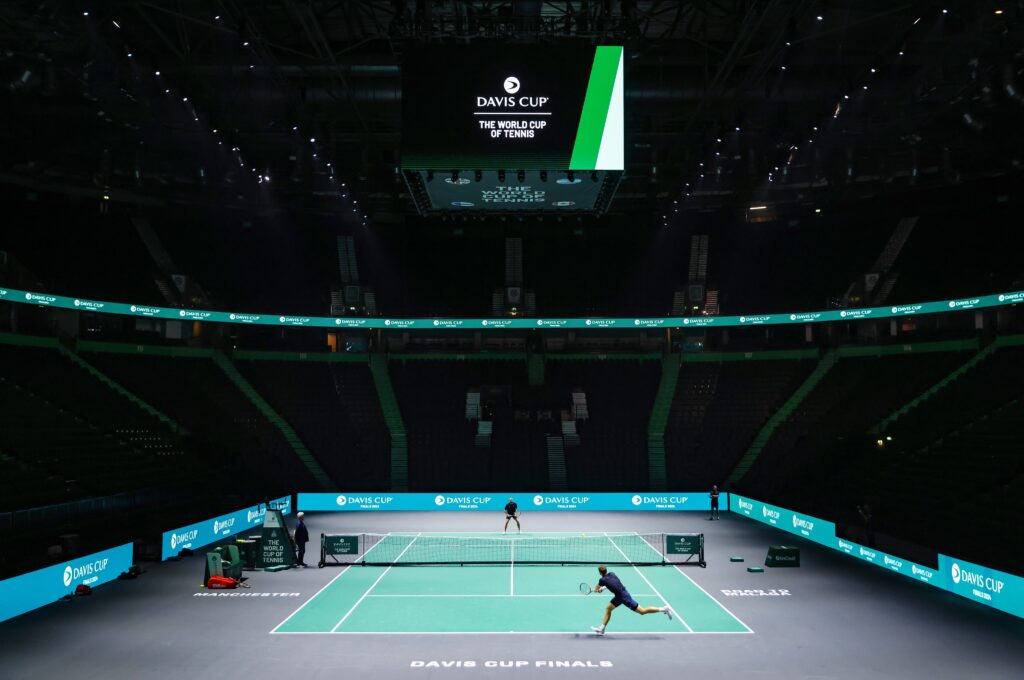
Venues and civic projects are increasingly adopting modular LED systems that flex to architectural conditions, be it curves, elevation shifts, or legacy structural limitations. These systems enable faster install, safer operation, and easier replacement.
6. Advanced Maintenance Access
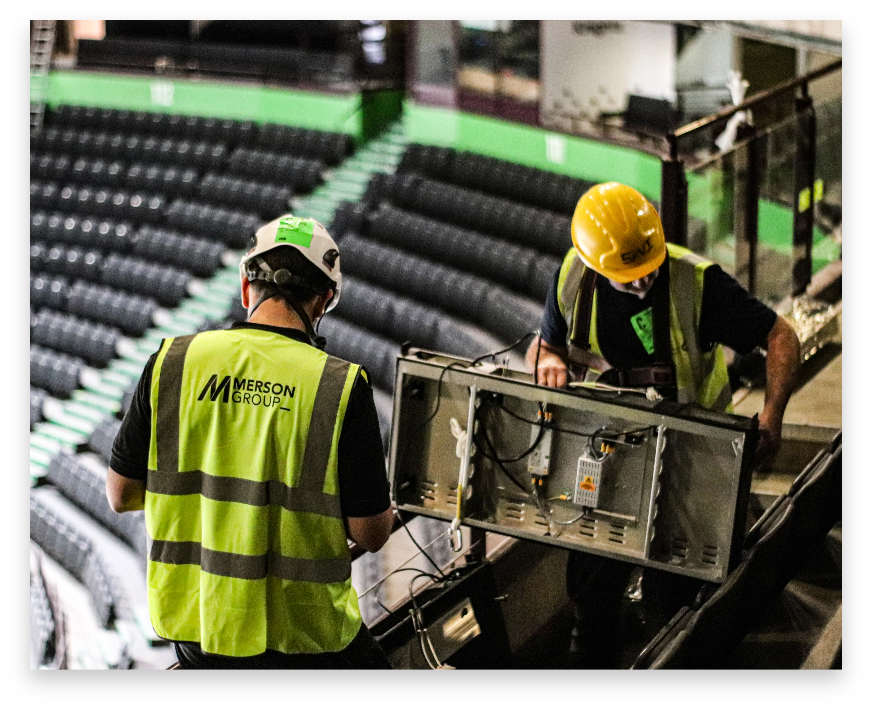
Front-service panels, modular wiring, and cloud-connected diagnostics are speeding up maintenance workflows and reducing downtime. Many estate owners now demand SLA-driven support alongside 24/7 NOC monitoring.
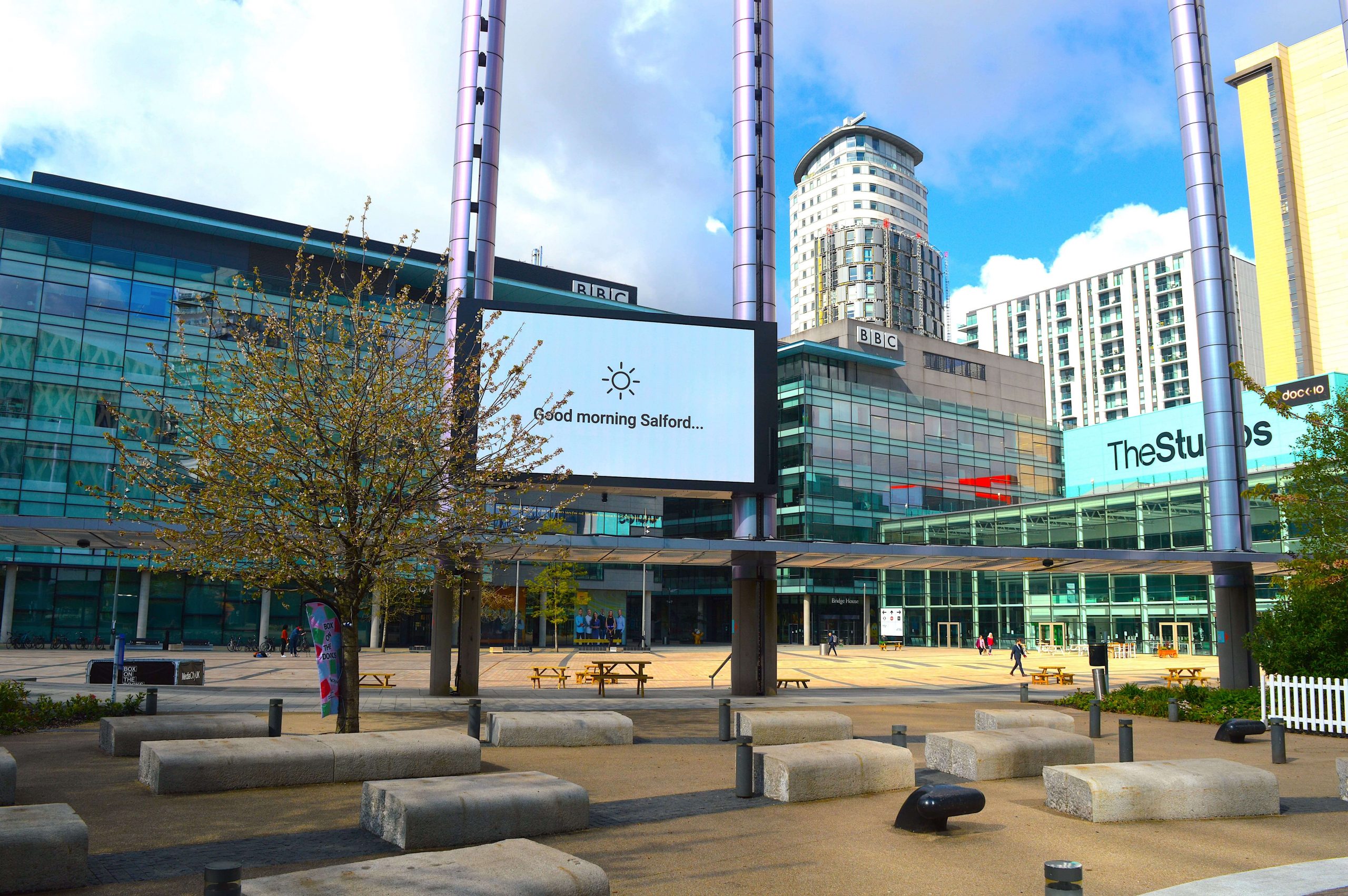
7. Digital Displays as Revenue Infrastructure
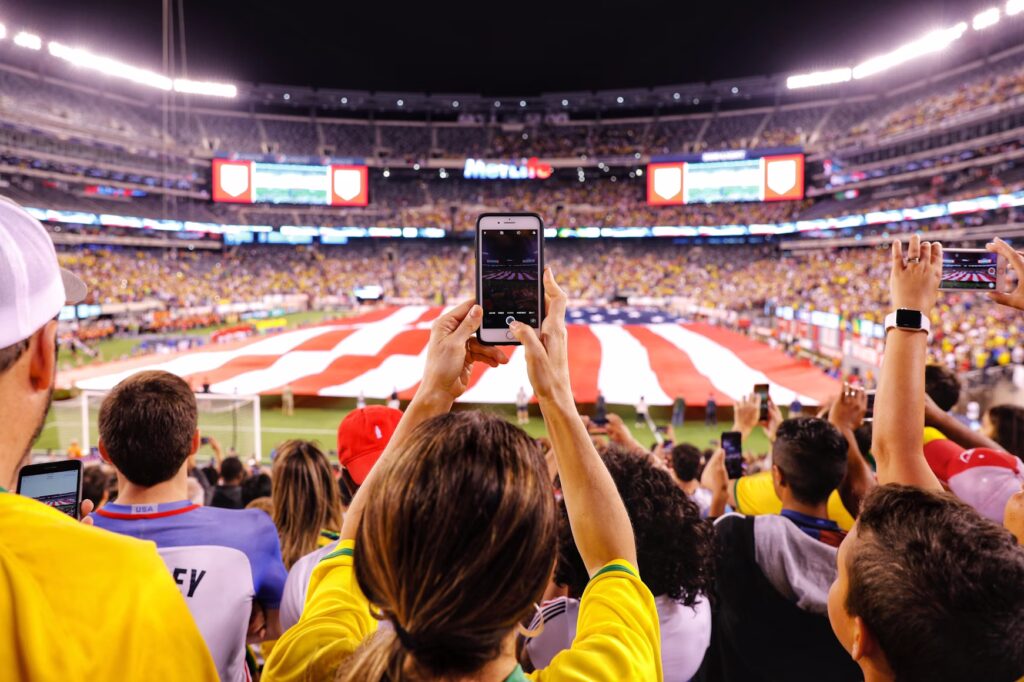
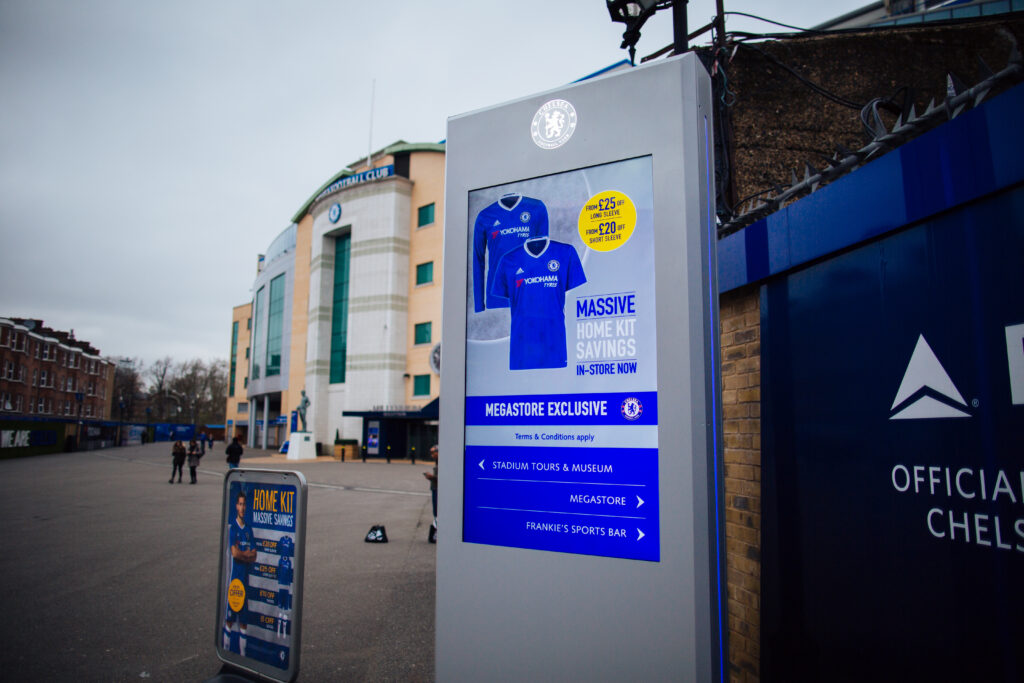
Stadiums and urban environments are treating LED like media inventory. Advertising, sponsorships, and real-time promotions are unlocking new revenue streams. JCDecaux forecasts that digital OOH will grow to $22.6 billion globally by 2027.
8. Visual Accessibility and Compliance
With digital becoming core to navigation and information, accessibility matters. From contrast ratios to font sizes and emergency override functions, new standards are emerging to ensure displays meet inclusive design criteria.
9. Sustainable LED Tech
Energy efficiency, recyclable materials, and lifecycle transparency are now client expectations. A 2025 study by GreenBiz showed that 68% of facilities leads prioritise low-energy LED in new tenders. ESG-conscious procurement is here to stay.
10. Unified CMS Control
As estates scale, controlling content centrally becomes critical. Cloud-based CMS tools are standard, but advanced users are integrating triggers, scheduling, and dynamic ad insertions. This is content automation with built-in intelligence.
11. Collaboration with Architects and Planners
LED is no longer an afterthought, it’s embedded from day one. Collaboration between signage partners, architects, and project engineers ensures screens complement, not compete with, the built environment.
12. End-to-End Delivery as the Standard
Clients are leaning toward single partners who can handle everything from design and manufacture to installation and maintenance. Vertical integration reduces friction and ensures accountability at every stage.
Large-format LED is entering its most exciting chapter yet, not just as a tool for communication, but as an essential component of modern infrastructure.
To learn how these trends come to life in real projects, contact us below to explore how Merson Digital delivers end-to-end, performance-led LED systems for the world’s most ambitious environments.